
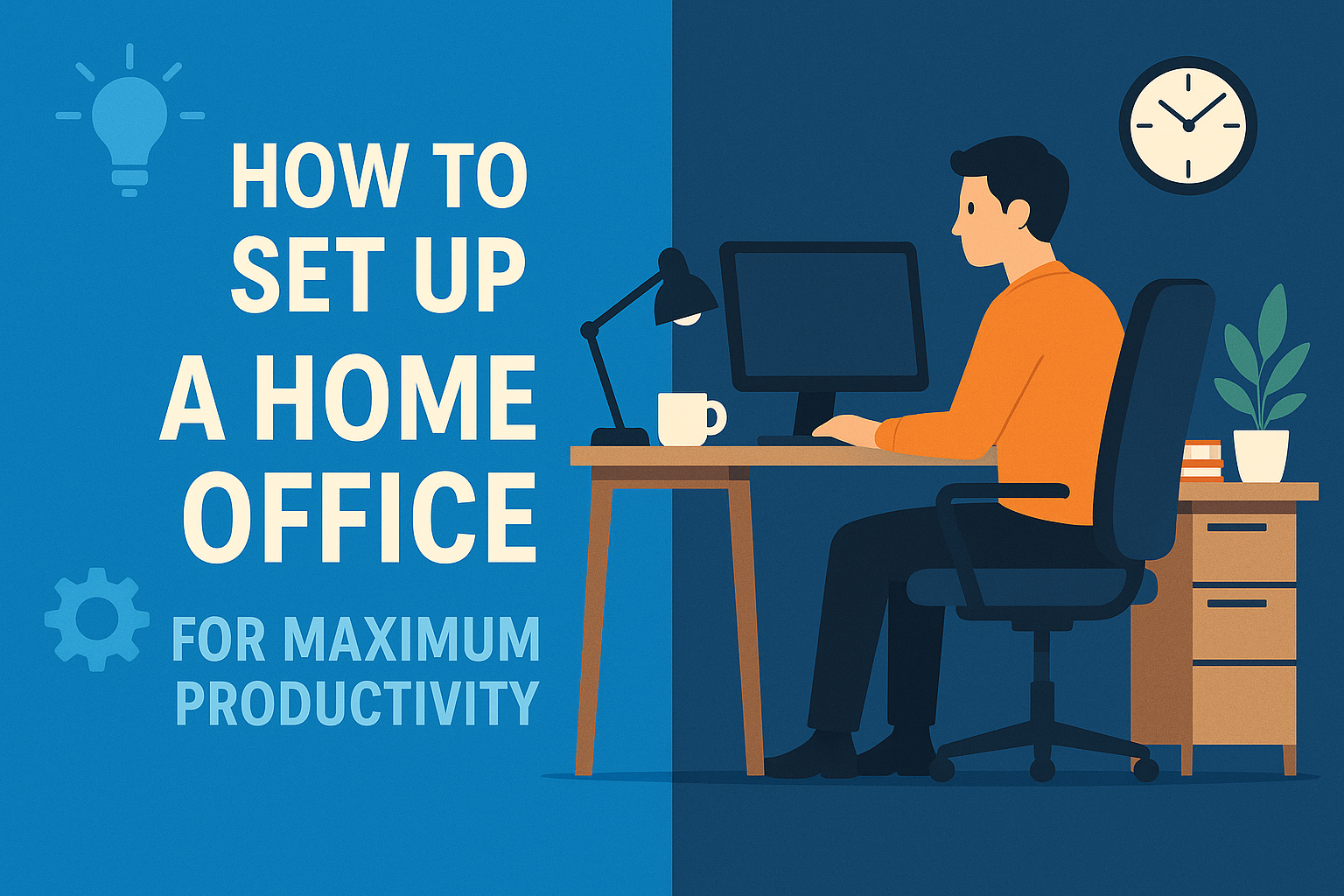
Working from home offers unparalleled flexibility and comfort, but achieving true productivity requires more than just a laptop at the kitchen table. A thoughtfully designed home office not only boosts your efficiency but also enhances your mood and overall well-being. Begin by choosing a dedicated area in your home that minimizes distractions and provides a sense of separation from your personal life. Natural light is a significant asset, so if possible, set up your desk near a window to benefit from sunlight, which can increase alertness and lift your spirits throughout the day.
Your workspace should be ergonomically friendly to support long hours of work. Invest in a comfortable chair with proper lumbar support and a desk at the right height to encourage good posture. Small additions, like a footrest or an external keyboard, can make a big difference in reducing fatigue and discomfort. Keep frequently used items—such as notepads, pens, and chargers—within easy reach to minimize interruptions and maintain your workflow.
Organization is key to a functional home office. Use shelves, drawers, or desktop organizers to keep clutter at bay, as a tidy environment can help clear your mind and sharpen your focus. If your work requires frequent video calls, consider the backdrop of your workspace; a simple, uncluttered background projects professionalism and helps you feel more prepared for meetings.
Don’t overlook the importance of personal touches. Add artwork, plants, or family photos to make the space uniquely yours and inspire creativity. Plants, in particular, can improve air quality and provide a calming presence during stressful moments. It’s also helpful to establish a daily routine or set boundaries with household members to prevent interruptions during work hours.
Finally, remember to prioritize your well-being. Incorporate short breaks into your schedule to stretch, move around, or simply rest your eyes. With a well-planned home office, you’ll not only enhance your productivity but also create a space where you feel motivated, comfortable, and supported every day.Certainly! Please provide the section or content you’d like me to rewrite or expand into a full paragraph of 300-400 words.Selecting the right location is the foundation of a successful restaurant venture. The area you choose can directly influence your foot traffic, brand visibility, and ultimately, your bottom line. Start by analyzing the demographics of potential neighborhoods, ensuring they align with your target customer base. For example, a family-friendly diner will thrive in residential areas, while a trendy café might do better near universities or business districts. Consider the level of competition in the vicinity as well—too many similar eateries may saturate the market, making it harder to stand out. On the other hand, being close to complementary businesses such as theaters, retail shops, or offices can boost cross-traffic and expand your customer reach.
Accessibility is another crucial factor. A location that is easy to find, offers ample parking, or is close to public transportation will attract a broader range of customers. Visibility from major roads and footpaths increases the likelihood of spontaneous visits and helps build brand recognition. Assess the physical space for its suitability based on your concept. Does it allow for the ambiance you envision? Is there enough room for kitchen operations, storage, and dining, while still complying with local health and safety regulations?
Don’t overlook the importance of understanding local regulations and zoning laws before committing to a spot. Some areas have restrictions on operating hours, signage, or alcohol sales that could impact your business model. Investigate the history of the location as well—venues with frequent turnover may signal underlying issues such as insufficient demand or high costs. Engage with neighboring businesses and community members to gauge the area’s reputation and potential for growth.
Finally, balance your dream location with financial practicality. Prime real estate comes at a premium, so weigh the benefits of visibility and accessibility against higher rent and operational costs. Sometimes, a slightly less central location with lower overheads and room for customization can offer better long-term value. Taking the time to thoroughly research and evaluate potential sites will set the stage for your restaurant’s future success, ensuring you are positioned to attract your ideal clientele and grow steadily over time.The first step in creating an effective workspace at home is to identify a spot that suits your needs and lifestyle. While it’s easy to daydream about a spacious home office with abundant natural light and a door you can close, the reality is that most people don’t have an entire room to spare. Fortunately, you don’t need an expansive office to be productive. Almost any corner, alcove, or underutilized area can be transformed into a purposeful work zone with a little creativity and intentionality.
Start by assessing your living space. Look for places that are relatively quiet, away from the main flow of household traffic, and have some access to natural light if possible. It might be a corner of your bedroom, a section of the dining table, or even a wide hallway. The key is to claim a spot that can be mentally and physically associated with work, helping you shift gears between personal and professional time. If you live with others, consider areas where you’re less likely to be disturbed, or use a folding screen, bookshelf, or plants to create a sense of separation. Even a small desk or table can serve as a dedicated workspace as long as it’s consistently used for work activities.
Once you’ve chosen your spot, personalize it to make it inviting and functional. Invest in a comfortable chair and ensure your work surface is at an ergonomic height. Good lighting is essential—if natural light isn’t available, a desk lamp with adjustable brightness can do wonders. Keep your supplies—like notepads, pens, chargers, and other essentials—within arm’s reach, using organizers or small storage bins to avoid clutter. Adding personal touches such as a plant, a piece of artwork, or a favorite mug can make your workspace feel special and help signal to your brain that it’s time to focus.
Ultimately, the goal is to carve out a space, no matter how modest, that fosters concentration and signals a shift into work mode. With some thoughtful planning, even a tiny nook can become a powerful productivity zone tailored to your unique needs.When setting up your home workspace, prioritizing quiet is essential for productivity and focus. Ideally, you’ll want to choose a room with a door you can close, which will help block out household noise and create a sense of separation between work and home life. However, not everyone has the luxury of a dedicated office. If a separate room isn’t available, look for a quiet corner that’s away from the main traffic flow of your home. Even small changes—like positioning your workspace away from the kitchen or living area—can make a big difference in reducing distractions. Consider using noise-cancelling headphones or a white noise machine to further minimize interruptions if you’re working in a shared space.
Natural light is another key factor that can significantly impact your workday. Positioning your desk near a window, where you can benefit from daylight, has been shown in studies to boost both mood and alertness. Exposure to natural light helps regulate your body’s internal clock, making it easier to stay energized throughout the day. If your workspace doesn’t have access to windows, don’t worry—quality artificial lighting can also help. Look for lamps that mimic daylight or use full-spectrum bulbs to create a bright, inviting environment. The right lighting setup will reduce eye strain and support your overall well-being, especially during long work hours or gloomy weather.
To see how these principles work in practice, consider the example of Sarah, a graphic designer who faced the challenge of working in a small apartment. With no spare room available, Sarah transformed her unused dining area into a creative workspace. She used a decorative folding screen to visually separate her desk from the rest of the room, providing both privacy and a psychological cue that she was “at work.” By setting up her desk near a window, she made the most of natural light during the day, which helped her stay motivated and inspired. Sarah’s experience shows that with a bit of creativity, you can carve out a focused, comfortable workspace even in less-than-ideal circumstances.Start by taking a slow, intentional walk through your living space. Bring a sense of curiosity and openness as you observe each room, nook, and corner. You may initially feel as though your home is already full, but look again with a fresh perspective. Sometimes the perfect spot isn’t an entire room—it could be a quiet corner in the bedroom, a sunny spot by a window, a small area in the hallway, or even a repurposed section of your closet. The goal isn’t to claim a large area, but to find a space that can be uniquely yours, where you can retreat for a few moments of peace, reflection, or creativity.
As you move through your home, ask yourself which areas naturally draw you in or feel most comfortable. Notice the lighting, the noise levels, and how the space makes you feel. Is there a corner that gets beautiful morning light? A spot that feels cozy and private, away from the main flow of household activity? Visualize how you might transform this area with a comfortable chair, a small table, or a basket for your favorite books or journals. Even a simple floor cushion and a soft throw can turn an unused space into your personal haven.
Once you’ve identified a potential spot, stand there for a few moments and imagine using it for your intended purpose. Picture yourself sitting quietly with a cup of tea, journaling, meditating, or simply taking a few deep breaths. Think about how you can personalize the area to reflect your tastes and needs. You might add a plant, a piece of meaningful artwork, or a scented candle—whatever makes the space feel inviting and truly yours.
Claiming a spot in your home, even if it’s just a small corner, is a powerful act of self-care. It signals to yourself and to those you live with that your needs and well-being are important. This dedicated space can become a sanctuary, offering you a sense of ownership and peace amidst the busyness of daily life. Remember, it’s not about the size of the space, but the intention you bring to it.Certainly! Please provide the section or topic you’d like me to write about, and I’ll craft a detailed 300–400 word paragraph for you.Investing in ergonomic furniture is one of the most impactful steps you can take to enhance both comfort and productivity in your workspace. Ergonomic furniture is specifically designed to support the natural alignment of your body, reduce strain, and minimize the risk of musculoskeletal issues that are commonly associated with prolonged periods of sitting or repetitive movements. Start by selecting an ergonomic chair that provides adequate lumbar support, adjustable height, and a seat depth that allows your feet to rest flat on the floor. A well-chosen chair encourages good posture, helps prevent back pain, and makes it easier to maintain focus throughout the day.
Equally important is your choice of desk. An adjustable desk, especially one that can transform from sitting to standing height, enables you to alternate your working position and reduce the negative effects of staying seated for hours on end. Standing desks or sit-stand converters can promote better circulation, reduce fatigue, and even boost energy levels. When setting up your desk, ensure your monitor is at eye level and about an arm’s length away to prevent neck strain. Consider accessories like monitor stands or adjustable arms to achieve the optimal height and distance.
Ergonomic accessories, such as keyboard trays, wrist rests, and footrests, further enhance your workspace. These additions help maintain a neutral wrist position and support your legs, reducing pressure points and the risk of repetitive strain injuries. Position your keyboard and mouse so your elbows stay close to your body and your wrists remain straight while typing or navigating. Footrests can be particularly helpful if your feet don’t comfortably reach the ground, promoting better circulation and overall comfort.
Ultimately, investing in ergonomic furniture is an investment in your health and well-being. Not only does it make your workspace more inviting and comfortable, but it also contributes to greater productivity and focus. By thoughtfully selecting and arranging ergonomic furniture, you create a supportive environment that allows you to work efficiently while minimizing discomfort and the likelihood of long-term health problems. Over time, these adjustments can make a significant difference in both your physical comfort and your work performance.Comfort is key for productivity—and your body will thank you, too! When it comes to working effectively, the environment you create for yourself plays a crucial role, and nothing matters more than comfort. Imagine sitting for hours in a chair that doesn’t support your back, at a desk that’s too high or too low, with lighting that gives you a headache. Over time, these seemingly minor discomforts can add up, leading to fatigue, aches, and a serious dip in your ability to focus. That’s why investing in ergonomic furniture, supportive seating, and a well-organized workspace isn’t just a luxury—it’s a necessity for anyone who wants to stay sharp and motivated throughout the day.
Start by evaluating your current setup. Does your chair offer enough lumbar support? Are your feet flat on the floor, and is your monitor at eye level to minimize neck strain? Even small adjustments, like adding a cushion, adjusting your chair height, or situating your keyboard for easy reach, can make a world of difference. You might also consider adding a footrest or switching to a standing desk for part of your day to relieve pressure on your lower back and promote better circulation. Good lighting is equally important; opt for natural light whenever possible, and supplement with adjustable desk lamps to reduce eye strain.
It’s also helpful to personalize your space with items that make you feel at ease, such as a cozy blanket, a favorite mug, or even a plant or two. These touches can contribute to a positive mood and a sense of well-being, which in turn can boost your productivity. Remember, comfort is not just about physical support—it’s about creating an environment that allows you to work with ease, maintain good posture, and reduce the risk of repetitive strain injuries.
Ultimately, when you prioritize comfort in your workspace, you’re investing in both your health and your performance. Your body will thank you with more energy, fewer aches, and a clearer mind—all of which translate into better work and a greater sense of satisfaction at the end of the day.Selecting the right chair is the first crucial step in creating an ergonomic workspace. An adjustable chair with strong lumbar support helps maintain the natural curve of your spine, reducing the risk of back pain during long working hours. It’s important that your feet rest flat on the floor to ensure proper circulation and balance, while your knees should be bent at a 90-degree angle, aligned with or slightly below your hips. Adjust the height of your chair accordingly, and if your feet do not reach the floor, consider using a footrest for added support.
Your desk setup also plays a pivotal role in ensuring comfort and productivity. The desk height should allow your elbows to rest comfortably at your sides, forming a 90-degree angle when typing or using your mouse. This position minimizes strain on your shoulders and wrists, helping to prevent repetitive stress injuries. If your desk is too high or too low, it can quickly lead to discomfort and poor posture, so take the time to find the right fit or use keyboard trays and adjustable desk solutions if necessary.
Monitor placement is another essential aspect of ergonomic design. The top of your screen should be at or just below eye level, preventing you from hunching over or tilting your head upward. Position your monitor about an arm’s length away, which helps reduce eye strain and encourages a more upright posture. If you’re working with a laptop, using a laptop stand or even a stack of books can raise the screen to an optimal height. Pair this with an external keyboard and mouse to maintain a neutral alignment of your wrists and arms.
For added flexibility and to encourage movement throughout the day, consider investing in a standing desk or a convertible desk that allows you to alternate between sitting and standing positions. Standing desks can help reduce sedentary time, promote better posture, and may even boost energy levels. Remember, even with the best ergonomic setup, it’s important to take regular breaks, stretch, and move around to keep your body healthy and comfortable throughout the workday. By paying attention to these details, you can create a workspace that supports both your well-being and productivity.Taking a few minutes to properly adjust your chair, desk, and computer monitor can make a significant difference in your comfort and productivity throughout the day. Begin by ensuring your chair is at the correct height: your feet should rest flat on the floor, and your knees should be at a 90-degree angle or slightly lower than your hips. If your feet can’t comfortably reach the ground, consider using a footrest to maintain proper posture. Next, check the backrest of your chair. It should support the natural curve of your spine, especially your lower back. If your chair doesn’t offer enough lumbar support, a small cushion or a rolled-up towel can help fill the gap.
Once your chair is set, turn your attention to your desk. Your forearms should rest comfortably on the surface, with your elbows bent at roughly 90 degrees and close to your body. This helps prevent strain in your shoulders, neck, and wrists. If your desk is too high or too low, adjust your chair or use an adjustable keyboard tray to find the best position. Keep frequently used items—like your phone, notepad, or mouse—within easy reach to minimize unnecessary stretching and twisting.
Finally, position your monitor so that the top of the screen is at or just below eye level. This encourages you to keep your neck in a neutral position and reduces the risk of developing neck or shoulder tension. The monitor should be about an arm’s length away from your eyes, and you may need to adjust the tilt to reduce glare or reflections. If you use multiple monitors, place the primary screen directly in front of you and the secondary one close by at the same height, to minimize head turning.
Making these small adjustments doesn’t take much time, but the benefits are substantial. Proper ergonomics can prevent common discomforts like backaches, neck pain, and eye strain, and can even enhance your concentration and productivity. Taking action now not only supports your immediate comfort but also promotes long-term health as you work.Certainly! Please provide the section or topic you’d like me to write a full paragraph about.Establishing a strong technological foundation is critical when starting a home-based business. The first step is to secure a reliable internet connection, as most modern businesses rely on seamless online communication, research, and transactions. Evaluate your internet speed and consider upgrading your plan if you anticipate high data usage, such as for video conferences, large file transfers, or online sales platforms. Next, invest in a dedicated computer or laptop with updated software. Depending on your business type, you may need specialized hardware or programs, such as graphic design software, accounting tools, or customer relationship management (CRM) systems. It’s important to distinguish between personal and business use; creating separate user accounts or even having a device solely for business can help with organization and security.
Communication tools are also essential. Set up a professional email address, ideally using your business domain name, to present a credible image to clients and partners. Explore VoIP services or business phone solutions if you expect frequent calls, and consider using instant messaging platforms like Slack or Microsoft Teams for team collaborations. Video conferencing tools such as Zoom or Google Meet facilitate virtual meetings, which are increasingly important for remote work.
Cloud storage solutions like Google Drive, Dropbox, or OneDrive help you store important documents securely and access them from any device. Regularly back up your data to prevent loss due to device failure or cyberattacks. Cybersecurity measures should not be overlooked: install reputable antivirus software, use strong passwords, and enable two-factor authentication wherever possible. For businesses handling sensitive information, consider encryption tools and secure payment gateways to protect both your data and your clients’.
Finally, set up accounting and invoicing software to streamline your financial management. Tools like QuickBooks, FreshBooks, or Wave can automate invoicing, track expenses, and simplify tax preparation. As your business grows, you may need to integrate additional technologies, such as inventory management systems or e-commerce platforms. By thoughtfully selecting and setting up essential technology from the outset, you lay a strong groundwork for efficient operations, effective communication, and future scalability, allowing your home-based business to compete professionally and adapt to evolving needs.Equipping yourself with the right tools is essential for making remote work not only manageable but also enjoyable and efficient. In a virtual environment, you don’t have the luxury of walking over to a coworker’s desk or gathering in a conference room, so technology bridges the gap and fosters collaboration. Communication platforms like Slack, Microsoft Teams, or Zoom have become indispensable for keeping teams connected, allowing for instant messaging, video calls, and group discussions. They help replicate the spontaneous conversations and quick check-ins that happen naturally in a physical office, reducing feelings of isolation and ensuring everyone stays informed.
Project management software such as Trello, Asana, or Monday.com is another cornerstone of successful remote work. These tools help you organize tasks, assign responsibilities, and track progress in real time. By visualizing workflows and deadlines, teams can stay aligned on priorities and quickly adjust as projects evolve. This level of transparency not only boosts accountability but also reduces the stress of chasing down updates or wondering who is handling specific tasks.
File-sharing and cloud storage solutions like Google Drive or Dropbox further streamline remote workflows. They enable seamless access to documents, spreadsheets, and presentations from anywhere, ensuring team members can collaborate on files simultaneously without version control headaches. This accessibility promotes a more dynamic working environment and eliminates unnecessary back-and-forth emails.
Time management and focus are critical in remote settings where distractions abound. Tools such as RescueTime or Focus@Will can help you monitor productivity and minimize interruptions. By tracking how you spend your time online or providing music designed to enhance concentration, these applications support the creation of effective work habits and a healthy work-life balance.
Finally, consider the importance of a reliable internet connection and ergonomic hardware, like noise-canceling headphones or an adjustable chair, to create a comfortable and productive workspace. While software tools are vital, your physical environment also plays a crucial role in your remote working experience. By thoughtfully selecting and integrating these digital and physical resources, you can transform remote work from a potential source of stress into a smooth, rewarding, and productive daily routine.Creating an efficient home office begins with ensuring that your internet connection is fast and reliable. Unstable or slow Wi-Fi can quickly derail your productivity, especially during video calls or when accessing large files. If you find that your connection drops in certain parts of your home, consider upgrading to a mesh Wi-Fi system, which extends coverage seamlessly across multiple rooms. Alternatively, a Wi-Fi extender can help bridge any dead zones, giving you uninterrupted access no matter where you choose to work.
Equally important is having the right computer setup. While laptops offer portability, pairing them with a separate mouse and keyboard can significantly boost comfort and reduce strain during long work sessions. Investing in these accessories enables better ergonomics and helps prevent the aches that come from hunching over a trackpad or built-in keyboard. If your work involves multitasking or handling multiple documents at once, a second monitor can be transformative. With extra screen real estate, you can keep reference materials, emails, and active projects open side by side, streamlining your workflow and minimizing time wasted on switching between tabs.
For meetings, interviews, or collaborative sessions, a quality pair of headphones with a built-in microphone is indispensable. Not only do they ensure that you can hear and be heard clearly, but they also help block out distracting background noise. Noise-cancelling features are especially beneficial if your home office is near a busy street or shared living spaces, allowing you to maintain focus even in less-than-ideal environments.
Proper lighting is another often-overlooked component of a productive workspace. Natural light is ideal, but when that’s not available, a good desk lamp with adjustable brightness can make a world of difference. It helps reduce eye strain and fatigue, particularly during evening hours or on cloudy days, creating a brighter and more inviting atmosphere for work.
Finally, managing cables and cords is essential for both safety and aesthetics. Tangled wires can clutter your workspace and even become tripping hazards. Using simple solutions like cable clips, sleeves, or ties can keep everything organized and out of sight, making your desk look tidier and helping you stay focused on your tasks instead of untangling cords. With these foundational elements in place, your home office will be both functional and inviting, setting you up for productive and comfortable workdays.Take a moment to look around your workspace and really consider the tools you use every day. It’s easy to overlook the impact that seemingly minor pieces of equipment have on your productivity, comfort, and even your mood. Start by making a quick list of your essential gear—your chair, desk, computer, keyboard, mouse, lighting, headphones, and any other items you interact with regularly. Ask yourself: Is anything outdated, uncomfortable, or even slightly annoying to use? Sometimes, a sticky mouse button or a desk lamp that doesn’t quite light up your space can sap your energy or slow you down, even if you’ve gotten used to the inconvenience.
Now, think about small investments that could make a significant difference. For instance, upgrading to an ergonomic mouse or keyboard might reduce wrist strain and enhance your comfort during long work sessions. If you often find yourself squinting at your screen or struggling with eye fatigue, a better desk lamp or a monitor with adjustable brightness settings could be a game changer. Noise-canceling headphones are another worthwhile addition, especially if you work in a noisy environment or need to focus deeply. Even something as simple as a cushioned chair pad, a laptop stand for better posture, or a set of cable organizers to reduce clutter can improve your daily workflow.
Consider also the less tangible benefits of these upgrades. When you invest in your work environment, you send yourself a message: your comfort and productivity matter. This mindset shift can boost your motivation and help you approach your tasks with more enthusiasm. Plus, small improvements tend to add up over time, making your workspace feel more inviting and tailored to your needs.
Before making any purchases, prioritize items that address your biggest pain points. Read reviews, set a budget, and remember that you don’t have to overhaul everything at once. Even one or two well-chosen upgrades can have a noticeable effect on your workday. By periodically reviewing and updating your gear, you ensure that your workspace continues to support you, helping you stay comfortable, focused, and productive in the long run.Of course! Please provide the specific section or topic you’d like me to write a full paragraph about, and I’ll be happy to help.A well-organized workspace can significantly enhance your ability to concentrate and be productive. When your desk or work area is cluttered, it’s easy for your mind to feel just as scattered, making it difficult to focus on the task at hand. To start, remove unnecessary items from your workspace, keeping only the essentials within reach. This might include your computer, a notebook, writing utensils, and any materials directly related to your current project. Designate specific spots for items you use regularly, such as a pen holder, file tray, or drawer for supplies, so you always know where to find what you need without wasting time searching.
In addition to physical decluttering, consider how the layout of your workspace can influence your productivity. Arrange your desk in a way that feels comfortable and minimizes distractions. Position your chair and monitor to support good posture, ensuring that you can work for extended periods without discomfort. If possible, orient your workspace so that you have access to natural light, which can boost mood and energy levels. However, be mindful of potential distractions like windows facing busy streets, and use blinds or curtains as needed.
Digital organization is just as important as physical tidiness. Take a few minutes each day to clear your computer desktop, organize files into clearly labeled folders, and close unnecessary tabs or applications. This helps reduce mental clutter and makes it easier to locate important documents quickly. You might also want to use productivity tools or apps that help manage your workflow, such as digital to-do lists or calendar reminders.
Personalizing your workspace can also have a positive impact on your focus. Adding a few meaningful items, like a small plant, a motivational quote, or family photos, can make your environment more inviting and inspiring without adding unnecessary clutter. The key is to strike a balance between functionality and comfort. An organized workspace is not just about aesthetics; it sets the stage for efficient work, reduces stress, and allows your mind to stay clear and focused, ultimately leading to greater productivity throughout the day.A clutter-free space is more than just visually appealing; it plays a crucial role in supporting mental clarity and productivity. When your environment is neat and organized, your mind is less likely to feel overwhelmed or distracted by unnecessary items competing for your attention. A chaotic workspace, filled with piles of papers, scattered stationery, or random objects, can make it challenging to focus on the task at hand. In contrast, a tidy and orderly area allows you to concentrate better, as your brain isn’t constantly processing the mess around you. This sense of order can help reduce stress levels, making it easier to tackle your responsibilities with a calm and clear mindset.
Maintaining a clean space also saves you valuable time and energy. Instead of wasting minutes searching for misplaced documents or tools, you’ll know exactly where everything is. This efficiency not only streamlines your workflow but also boosts your motivation to continue working. The simple act of clearing off your desk at the end of each day can serve as a ritual that signals the end of work, helping you transition smoothly to relaxation or other activities. Over time, these small habits can have profound effects on your overall well-being and productivity.
Moreover, a clutter-free environment encourages you to be more intentional about what you keep in your workspace. By regularly decluttering and organizing, you become more aware of which items are essential and which are simply taking up space. This practice can extend beyond your physical surroundings, influencing the way you manage your time and tasks. You may find yourself prioritizing more effectively and letting go of unnecessary commitments, ultimately leading to a more balanced and fulfilling approach to your daily routine.
In essence, taking the time to tidy up your space is an investment in your mental health and efficiency. It sets the stage for clearer thinking, better focus, and a greater sense of control over your work and life. Whether you’re working from home, studying, or managing household tasks, keeping your environment clutter-free can help you stay on track and make the most of your time and energy.A clutter-free workspace is essential for maintaining focus and productivity throughout the day. Start by decluttering your desk, keeping only the items you use on a daily basis within arm’s reach. This might include your computer, a notebook, pens, and perhaps a water bottle or coffee mug. Everything else—such as extra office supplies, reference materials, or personal items—should be stored neatly in drawers, cabinets, or on shelves. By minimizing the number of items on your desk, you reduce visual distractions and create a more inviting space to work.
To maintain this sense of order, invest in organizers that suit your needs and the tools you use most often. Trays are perfect for corralling loose papers or incoming mail, while file holders can keep active projects and important documents upright and accessible. Drawer dividers help separate supplies like paper clips, sticky notes, and chargers, making it easy to find what you need without rummaging through a jumble of items. Wall-mounted organizers or pegboards are also useful for keeping tools or supplies off your desk yet still within easy reach. The goal is to assign a specific place for everything, so that your desktop remains clear and your workflow is uninterrupted.
Digital organization is just as important as physical tidiness, especially if you rely heavily on your computer for work. Create a logical folder structure for your files, grouping documents and projects by client, category, or deadline. Use clear, consistent naming conventions so you can locate files quickly when you need them. Take advantage of labels, tags, or color-coding features offered by your operating system or cloud storage service to further classify and prioritize your digital assets. Regularly declutter your desktop and downloads folder, archiving or deleting files you no longer need. By maintaining a well-organized digital workspace, you not only save time searching for documents but also reduce stress and remain focused on the tasks at hand. Ultimately, a combination of physical and digital organization will help you create a streamlined, efficient work environment that supports your productivity and well-being.Mark, a seasoned project manager at a bustling tech firm, has developed a deceptively simple habit that has transformed both his productivity and mindset at work. Each evening, before ending his day, Mark dedicates five minutes to what he calls his daily “reset.” He meticulously clears his physical workspace—straightening papers, returning pens to their holders, and discarding any lingering coffee cups. But his routine doesn’t end there. He also takes a moment to close all unnecessary browser tabs and organize his digital files, ensuring no clutter is left behind on his desktop. For Mark, this ritual is more than just tidying up; it’s a conscious decision to draw a clear boundary between the end of one day and the beginning of the next.
The impact of this practice becomes evident every morning. When Mark sits down at his desk, he is greeted by an organized, inviting environment. There are no distractions from yesterday’s unfinished tasks or visual reminders of stress. This clean slate allows him to focus immediately on the priorities of the day rather than wasting time sorting through clutter or trying to recall where he left off. Mark finds that this consistency not only sharpens his concentration but also boosts his sense of control and motivation. The simple act of resetting his workspace signals to his brain that he’s ready for a fresh start, reducing anxiety and preventing the overwhelm that often comes from facing chaos first thing in the morning.
Over time, this five-minute habit has had a ripple effect on Mark’s team as well. Colleagues have noticed his calm, composed demeanor and have adopted similar routines. The collective result is a more organized, efficient, and positive work environment. Mark’s daily reset demonstrates that small, intentional actions can profoundly shape our work experience. By investing a few minutes at the end of each day to create order, he ensures each morning begins with clarity and purpose—proof that how we close our day can be just as important as how we start it.Set aside just 10 minutes today to focus solely on decluttering your workspace. Begin by removing any unnecessary items from your desk—old receipts, empty coffee cups, scattered pens, or unused notepads. Consider what you truly need within arm’s reach and relocate or discard the rest. Organize your essential tools in a way that makes them easy to find and use, such as stacking papers neatly, placing pens in a holder, and tucking away cables. As you clear the surface, take a moment to wipe down your desk and computer monitor, refreshing not only the look but also the feel of your space.
As you go through this process, pay attention to how your mindset begins to shift. Decluttering isn’t just about tidying your physical environment; it’s also about creating mental space. With each item you clear, you’re removing distractions that might otherwise pull your focus away from important tasks. A tidy workspace can help you feel more organized, less overwhelmed, and ready to tackle your day with renewed clarity. You might notice that your thoughts become less scattered and it’s easier to concentrate on what matters most.
The act of decluttering can also serve as a small but powerful form of self-care. By investing time in your workspace, you signal to yourself that your work and well-being are worth the effort. This simple action can boost your mood and motivation, setting a positive tone for the rest of your day. If you work from home or in a shared office, you might also find that a neat environment reduces stress and even improves your interactions with colleagues.
After your 10-minute decluttering session, pause and reflect on the difference. Is your mind quieter? Do you feel more in control and less stressed? Even a brief investment of time can yield noticeable benefits, both immediately and over the long run. Try making this a regular habit—perhaps once a week or at the end of each day—to maintain a workspace that supports your productivity and well-being. Over time, you may find that these small moments of organization have a lasting impact on your focus, creativity, and overall mindset.Certainly! Please provide the section or main points you want to be developed into a full paragraph of 300-400 words.In today’s fast-paced, hyper-connected world, distractions lurk around every corner, making it increasingly challenging to maintain focus on the task at hand. Whether it’s the constant ping of notifications on your smartphone, the lure of social media, or interruptions from colleagues or family members, these disruptions can significantly derail your productivity. Minimizing distractions is essential for anyone looking to work efficiently and achieve their goals.
One of the most effective ways to reduce distractions is to create a dedicated workspace. This could mean setting up a quiet area in your home, closing the door to your office, or even using noise-cancelling headphones in a shared environment. By signaling to yourself and others that this is your zone for focused work, you’re less likely to be interrupted. Additionally, tidy up your workspace to remove unnecessary clutter, as visual distractions can also impact your concentration.
Technology can be both a blessing and a curse when it comes to staying focused. While digital tools can help you organize tasks and manage your time, they can also be a major source of interruptions. To combat this, silence non-essential notifications on your devices and consider using apps that block distracting websites during periods of deep work. Schedule regular times to check emails and messages, rather than responding to them the moment they arrive, which helps prevent constant context-switching.
It’s also important to communicate your need for uninterrupted time to those around you. Let your colleagues, roommates, or family members know when you’re working on something important and prefer not to be disturbed. Setting clear boundaries and expectations can go a long way in minimizing unnecessary interruptions.
Finally, develop the habit of single-tasking instead of multitasking. While it might seem efficient to juggle multiple tasks at once, research shows that multitasking can actually reduce productivity and increase errors. Focusing on one task at a time allows you to complete work more efficiently and with higher quality.
By proactively identifying potential distractions and implementing strategies to counteract them, you create an environment conducive to sustained focus. Over time, minimizing distractions not only boosts productivity but also enhances the quality of your output and helps you achieve your goals with greater ease and satisfaction.Distractions are productivity’s worst enemy, capable of derailing even the most well-intentioned plans. In today’s hyper-connected world, interruptions come in many forms: buzzing smartphones, incessant email notifications, chatty colleagues, and even the lure of social media just a click away. These constant diversions break your concentration, making it difficult to regain your focus and ultimately leading to less work accomplished in more time. However, with a few practical strategies, you can take control and create an environment that minimizes distractions and maximizes productivity.
One effective approach is to designate specific periods for deep, focused work. This can be achieved through techniques like the Pomodoro Method, which involves working intently for 25 minutes, followed by a short break. By structuring your workday in this way, you train your brain to focus during work intervals and rest during breaks, reducing the urge to multitask or check your phone impulsively. Additionally, consider silencing non-essential notifications or using apps designed to block distracting websites during work hours. Turning off alerts not only prevents interruptions but also helps you resist the temptation to check messages out of habit.
Creating a dedicated workspace is another powerful way to limit distractions. Whether you’re in an office or working from home, having a specific area associated with productivity signals to your brain that it’s time to focus. Keep your workspace tidy and free from unnecessary items that could draw your attention away from the task at hand. If noise is an issue, noise-cancelling headphones or soothing background music can help drown out distractions and create a more focused atmosphere.
It’s also important to communicate boundaries with those around you. Let colleagues, roommates, or family members know when you need uninterrupted time to concentrate. Setting clear expectations can reduce unnecessary interruptions and help you maintain your workflow. Finally, be mindful of internal distractions, such as wandering thoughts or fatigue. Regular breaks, mindfulness exercises, and staying hydrated can help keep your mind sharp and focused throughout the day.
By implementing these strategies, you can significantly reduce distractions and cultivate an environment that supports sustained concentration. This not only boosts your productivity but also enhances the quality of your work, helping you achieve your goals more efficiently and with less stress.Creating an environment that supports deep focus is essential when working from home, especially if you share your living space with others. One of the first steps is to set clear boundaries. Openly communicate your working hours to those you live with, whether they are family members, roommates, or partners. Let them know when you need uninterrupted time to concentrate, and encourage them to respect these periods. Setting these expectations early on can help minimize distractions and foster mutual understanding, making it easier for everyone to coexist harmoniously.
Noise is often a major culprit when it comes to breaking concentration. To combat this, consider investing in noise-canceling headphones, which can effectively block out background sounds and help you stay in the zone. Alternatively, listening to focus-enhancing playlists—such as ambient sounds or instrumental music—can mask disruptive noises and promote a calm, focused atmosphere. Many streaming platforms offer specialized playlists designed to boost productivity and concentration, allowing you to find the perfect soundtrack for your work sessions.
Managing digital distractions is equally important. Smartphones and apps are designed to capture your attention, but you can take control by silencing non-essential notifications during designated work blocks. Many devices allow you to customize notification settings or activate “Do Not Disturb” modes that filter out interruptions. Additionally, there are various productivity apps available that temporarily block access to social media or distracting websites, helping you maintain your focus for longer stretches.
Visual cues are another effective way to signal your need for uninterrupted work time, especially in a shared environment. Simple tools like a “do not disturb” sign on your door or a desk light that indicates when you’re in focus mode can provide a clear, non-verbal message to others. These cues gently remind those around you to hold off on conversations or requests until you are available. By combining these strategies—setting boundaries, controlling noise, managing digital interruptions, and using visual signals—you create a workspace that supports your productivity and helps you achieve deeper, more sustained focus throughout the day.Distractions are a natural part of our daily routines, but allowing them to dominate our attention can seriously impede our progress towards meaningful goals. To reclaim control over your productivity, start by honestly identifying the single biggest distraction that consistently pulls you away from your tasks. Is it the constant ping of social media notifications, the lure of YouTube or streaming services, frequent interruptions from colleagues or family, or maybe the habit of aimlessly browsing the internet? Pinpointing your personal Achilles’ heel is the first, crucial step. Once you’ve named your top distraction, commit to taking one concrete, manageable action to address it this week.
For example, if your phone is the main culprit, consider setting it to “Do Not Disturb” during your designated work periods or physically placing it in another room. If social media apps tend to eat up your time, uninstall them temporarily or use screen time management features to restrict your access. Those working from home who find themselves distracted by household chores might create a dedicated workspace and set specific times for tidying up, so that cleaning doesn’t bleed into working hours. If it’s people who break your focus, have a gentle conversation about your need for uninterrupted work blocks, or use visual cues like headphones or a closed door to signal when you’re unavailable.
Remember, the goal isn’t to eliminate distractions entirely—that’s nearly impossible—but to minimize their impact. Even a small change, such as blocking out just 30 distraction-free minutes a day, can make a noticeable difference in your output and sense of accomplishment. As you implement your chosen step, pay attention to how it shifts your focus and productivity. Track your progress over the week, and reflect on what works and what might need adjustment. By tackling your main distraction head-on, you’ll not only boost your efficiency, but also gain a greater sense of control over your environment and your time. This proactive approach sets a positive precedent for managing other distractions in the future, ultimately helping you build better habits and achieve your goals with greater ease.Certainly! Please provide the section or topic you would like me to write a full paragraph about.Your home office should be more than just a place to get work done; it should be a space that truly reflects your personality and inspires creativity. Personalizing your workspace can create an inviting and comfortable atmosphere that keeps you motivated and productive throughout the day. Start by incorporating items that bring you joy and a sense of calm, such as family photos, artwork, or meaningful mementos. These small touches can serve as reminders of your goals and the people who support you, helping to boost your mood and focus.
Consider your favorite colors and how they can influence your mindset. Soft blues and greens, for example, promote tranquility and concentration, while energetic hues like yellow or orange can spark creativity and enthusiasm. Add splashes of color with decorative pillows, throws, or a vibrant rug to make your office feel both cozy and stimulating.
Incorporating nature into your workspace can also have a profound effect on your well-being. Houseplants not only improve air quality but also add a touch of natural beauty, making your office feel alive and welcoming. Choose low-maintenance plants like succulents, snake plants, or pothos that thrive indoors with minimal care. Position them near your desk or on a windowsill to create a refreshing visual break during busy work sessions.
Lighting is another essential element in crafting a comfortable and personalized office environment. Natural light is ideal, so try to situate your desk near a window if possible. Supplement with warm, adjustable lighting such as a desk lamp or floor lamp to reduce eye strain and set the right mood for different tasks. String lights or decorative lamps can also add character and a sense of warmth to your space.
Finally, think about incorporating inspirational quotes, vision boards, or motivational books within arm’s reach. These reminders can keep you focused on your aspirations and encourage a positive mindset, even on challenging days. By designing a workspace that reflects your tastes, values, and goals, you’ll create a haven that nurtures both your comfort and your inspiration, making working from home a more enjoyable and fulfilling experience.Your home office should be more than just a place to work—it should be a space that inspires creativity, supports productivity, and nurtures your well-being. While functional furniture and good lighting are important, incorporating personal touches can make a significant difference in how you feel and perform throughout your day. When you surround yourself with items that bring you joy or remind you of your values and goals, your workspace transforms from a generic office into a personalized haven.
Think about including photos of loved ones, your favorite pieces of art, or meaningful quotes that motivate you. These items can provide comfort and encouragement when you face challenges or need a quick mood boost. A small plant on your desk can add a touch of nature, helping to purify the air and create a sense of tranquility. Even something as simple as your favorite mug or a cozy throw blanket can make your office feel more welcoming and help you settle into a productive mindset each morning.
Personalizing your workspace also allows you to express your unique style. Choose colors, patterns, and textures that resonate with you, whether it’s a vibrant set of desk accessories, a handwoven rug, or a quirky lamp. These details can make the environment feel inviting and distinctly yours. When your office reflects your personality, you’re more likely to enjoy spending time there and less likely to feel fatigued or uninspired.
Additionally, consider how your senses are engaged in your workspace. Soft background music, a pleasant scent from a diffuser, or natural light streaming through a window can all contribute to a positive atmosphere. The key is to create an environment where you feel comfortable, energized, and ready to tackle your tasks.
Ultimately, your home office should be a place where you feel empowered to do your best work. Personal touches—big or small—can uplift your spirits, boost your motivation, and help you maintain a healthy work-life balance. By intentionally curating your workspace to reflect what makes you feel good, you’ll foster a sense of satisfaction and pride in your daily routine.Incorporating greenery into your space can have a profound impact on both your environment and your well-being. Houseplants not only add a refreshing touch of nature to your surroundings, but they are also known to help purify the air by absorbing toxins and releasing oxygen. Whether you opt for a lush monstera, a resilient snake plant, or a collection of small succulents, the presence of living plants has been shown to reduce stress, boost mood, and enhance overall productivity. Even if you don’t have a green thumb, many indoor plants are low-maintenance and can thrive with minimal care, making them a perfect addition to any workspace, reading nook, or bedroom.
Beyond greenery, decorating your area with inspiring elements can further personalize your space and create an uplifting atmosphere. Hanging artwork that resonates with you, displaying motivational quotes, or arranging cherished family photos can serve as daily reminders of your values, goals, and the people you love. These visual cues not only brighten the aesthetics of your surroundings but can also provide comfort and encouragement during challenging moments. You might choose vibrant abstract paintings for a burst of color, calming landscapes to evoke tranquility, or a carefully curated gallery wall that tells your personal story.
To enhance both comfort and coziness, consider keeping a few of your favorite items within arm’s reach. A soft, comforting blanket draped over your chair can provide warmth during cool mornings or late-night work sessions. Your favorite mug, whether filled with coffee, tea, or hot cocoa, can become a small daily ritual that brings joy and familiarity. Scented candles add another sensory dimension, filling your space with soothing aromas like lavender, vanilla, or fresh linen, which can help reduce anxiety and promote relaxation. These simple yet meaningful touches not only make your environment more inviting but also help transform it into a sanctuary that supports your mental and emotional well-being. By thoughtfully adding greenery, personal decorations, and comfort items, you create a space that truly feels like your own—a place where you can unwind, recharge, and feel inspired every day.Priya, a seasoned remote consultant, has mastered the art of curating a home workspace that not only supports her productivity but also nurtures her creativity. Working from her cozy apartment in Bangalore, she recognized early on that her environment played a significant role in her motivation and overall well-being. Instead of settling for a bland, makeshift desk in the corner, Priya took intentional steps to transform her workspace into a source of inspiration and energy.
One of her favorite strategies is to incorporate a vibrant collection of succulents on her desk and nearby shelves. These low-maintenance plants bring a refreshing touch of nature indoors, infusing the space with calming green hues and a sense of life. Priya finds that tending to her plants during short breaks helps her reset mentally, while the simple presence of greenery reduces her stress and boosts her mood throughout the day. The succulents also serve as a gentle reminder to care for herself as attentively as she does for her workspace.
To prevent her environment from feeling monotonous, Priya makes a habit of rotating her wall art with the changing seasons. In the spring, she might display cheerful floral prints and bright, pastel colors, while autumn brings in warm, earthy tones and abstract landscapes. This seasonal refresh not only keeps her workspace visually stimulating but also aligns her surroundings with the rhythms of the year, enhancing her sense of connection to the world outside her home office. Each new arrangement brings a wave of excitement and novelty, sparking fresh bursts of inspiration for her consulting projects.
Over time, Priya has noticed that these thoughtful touches have a tangible impact on her work. She feels more energized and focused, and her clients often remark on the positive, creative energy that comes through in her virtual meetings. By personalizing her workspace with elements that reflect her personality and interests, Priya has created a sanctuary that supports her professional growth and personal happiness—a testament to the power of an intentional, inspiring environment for remote work success.Adding a personal touch to your workspace might seem like a small gesture, but its impact can be surprisingly profound. Take a moment today to select one item that brings you joy—perhaps a cherished photograph, a quirky mug, a vibrant plant, or even a favorite quote printed and framed—and place it within your work area. This small act isn’t just about decoration; it’s about infusing your environment with positive energy and a sense of personal identity. When you look up from your computer or pause between tasks, that familiar object can serve as a gentle reminder of what matters to you outside of work, offering a sense of comfort and inspiration.
Personalizing your workspace also fosters a sense of ownership and belonging. When a space feels uniquely yours, you’re more likely to feel comfortable, motivated, and at ease during your workday. The presence of something meaningful can help alleviate stress, spark creativity, and even improve your mood on challenging days. For example, a photograph of loved ones might bring a sense of connection, while a favorite plant can add life and a refreshing touch of nature, subtly boosting concentration and well-being. Even a small figurine or a colorful desk accessory can break the monotony and inject a bit of fun into your daily routine.
Don’t worry about whether your chosen item is big or small, expensive or simple—it only needs to resonate with you. The act of intentionally selecting and placing something that makes you smile is a form of self-care and a declaration that your workspace is not just a place of productivity, but also a reflection of your personality. Over time, you may find yourself adding other little touches, gradually creating an environment that feels both comforting and energizing. So, take a few minutes today to look around your home or office for that perfect item. Make this small change, and notice how it subtly transforms your mindset, making each workday a bit brighter and uniquely yours.Certainly! Please provide the section or topic you would like me to write a full paragraph about.Designing your dream home office is an exciting opportunity to create a space that reflects your personality, enhances your productivity, and supports your well-being. As remote work and flexible schedules become the norm, investing the time to thoughtfully plan your office can have a lasting impact on your daily routine. Begin by considering your work habits and the type of environment that helps you thrive. Do you prefer a minimalist aesthetic with clean lines and neutral colors, or are you energized by bold patterns and vibrant hues? Your workspace should inspire you, so don’t be afraid to incorporate elements that bring joy—whether it’s an art print, a lush plant, or a statement piece of furniture.
Functionality is key in an effective home office. Prioritize ergonomic furniture that supports good posture, such as an adjustable chair and a desk set at the right height. Adequate lighting is essential, so position your workspace near a window for natural light, and supplement with task lighting as needed. Organization plays a significant role in maintaining focus; invest in storage solutions like shelves, drawers, or filing cabinets to keep clutter at bay. Personal touches, such as a favorite mug or a cozy throw, can add warmth and make your office feel uniquely yours.
Technology should support your workflow, not hinder it. Ensure you have reliable internet connectivity, and consider upgrading to a larger monitor or noise-canceling headphones if your work requires them. Cable management tools can help keep your desk tidy and distraction-free. Don’t forget about the importance of movement—incorporating a standing desk or a small area for stretching can boost your energy levels throughout the day.
Ultimately, your home office should be a place where you feel comfortable, focused, and motivated. Take the time to experiment with layouts, colors, and accessories until you find the perfect combination that suits your needs. Remember, the best home office is one that adapts to you—not the other way around. With thoughtful planning and a touch of creativity, you can design a workspace that not only meets your professional demands but also enhances your overall quality of life.Remember, your home office doesn’t have to be perfect from day one. It’s easy to get caught up in the idea that you need the latest gadgets or a picture-perfect workspace before you can truly be productive, but in reality, starting with the basics is often the most effective approach. Begin by identifying the essentials: a comfortable chair, a sturdy desk, and adequate lighting. These foundational elements are key to creating a workspace where you can focus and work efficiently. As you settle into your routine, pay attention to what works for you and what doesn’t. Maybe you notice that your desk gets cluttered by midday, or that your chair isn’t as supportive as you hoped. Use these observations as opportunities to make small, meaningful improvements over time.
Don’t feel pressured to invest in everything at once. Instead, consider gradual upgrades—a new lamp for better lighting, a few plants to freshen the air and boost your mood, or perhaps a set of organizers to keep your workspace tidy. As your needs evolve, so can your office. This process of incremental change not only makes the setup more manageable financially but also allows you to tailor your environment to your specific work habits and preferences. Take the time to personalize your space with items that inspire you, whether it’s artwork, inspirational quotes, or family photos. These touches can make your office feel inviting and uniquely yours.
Above all, remember that a thoughtfully arranged workspace can significantly impact your overall productivity and well-being. A dedicated area, no matter how small, signals to your brain that it’s time to focus, helping you transition more smoothly into work mode. As you refine your home office, you may find yourself feeling more energized, motivated, and satisfied with your workday. By embracing the idea of continuous improvement and being patient with yourself and your space, you’ll create an environment that not only supports your professional goals but also enhances your daily life. With each adjustment, your office will become a place where you can truly thrive.Taking that first step toward creating a dedicated workspace can feel both exciting and a little daunting, but the rewards are well worth it. When you intentionally carve out an area—whether it’s an entire room, a cozy nook, or simply a corner of the dining table—you’re sending a powerful message to yourself: this is where focus happens. Personalizing your space is equally important. Surround yourself with items that inspire and motivate you, be it a favorite plant, a vision board, or a few cherished photos. These small touches transform your workspace from just another spot in your home into a zone that sparks creativity and concentration.
As you claim this area as your own, you’ll likely notice a shift in your mindset. Stepping into your workspace signals to your brain that it’s time to transition from relaxation to productivity. Over time, this physical boundary helps reinforce healthy work habits and boundaries, making it easier to “leave work” at the end of the day, even if you’re only steps away from the rest of your home life. This separation is essential for maintaining balance, reducing stress, and preventing burnout.
Don’t worry about achieving perfection from the start. Your workspace can evolve with your needs. Maybe you’ll add a better chair, a brighter lamp, or tidy up the area as you discover what helps you work best. The important thing is to begin—to claim your space and commit to making it work for you. Remember, productivity isn’t about having the fanciest setup or the latest gadgets; it’s about finding what allows you to focus, create, and accomplish your goals.
With every small change and personal touch, you’ll notice your productivity growing. Tasks become easier to tackle, distractions fade into the background, and you may even find yourself looking forward to working in your new space each day. So, trust yourself and take that first step. You’ve got this! By claiming your space and making it your own, you’re setting yourself up for success—one focused, productive day at a time.