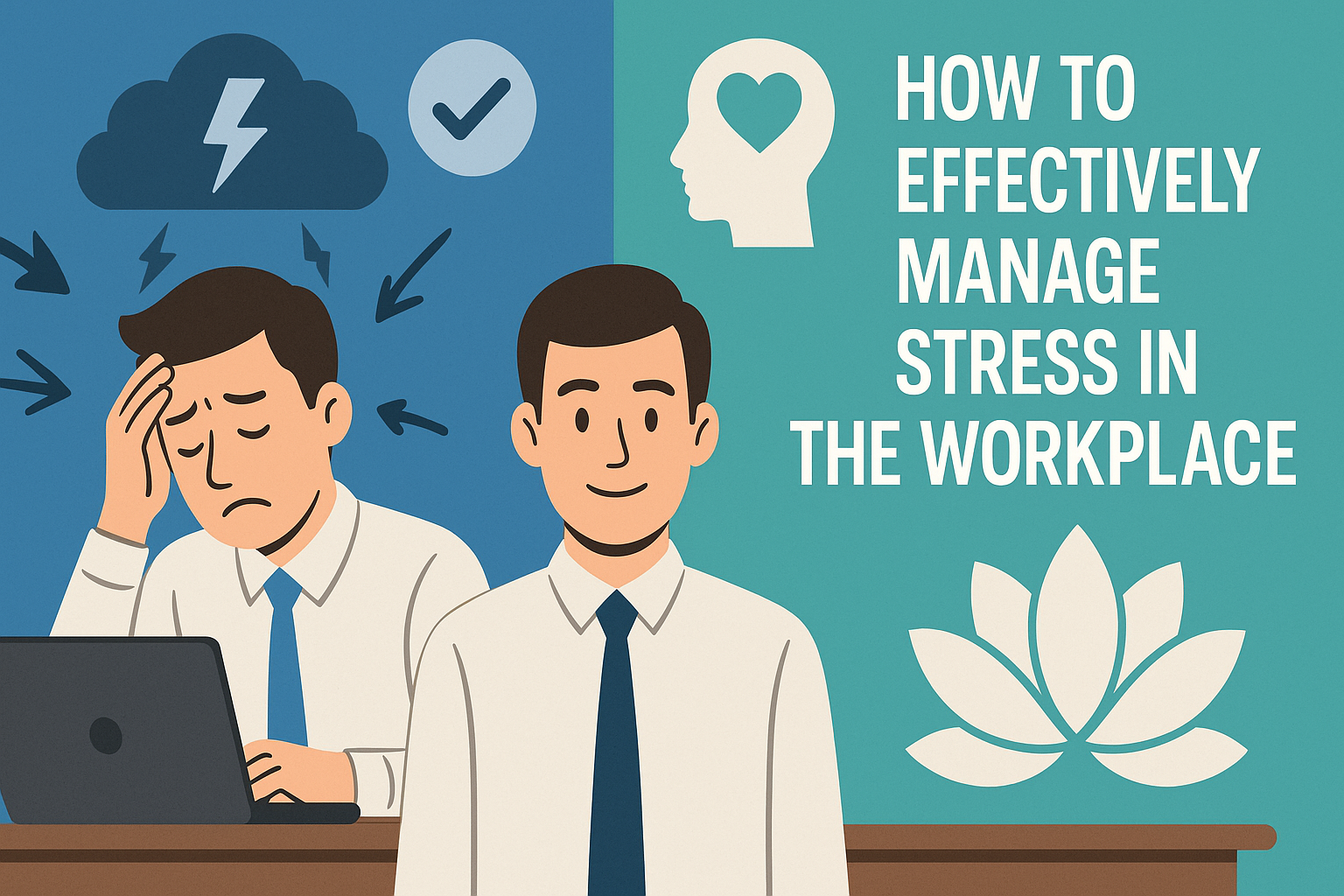
Let’s face it: work can be stressful. Whether it’s tight deadlines, never-ending emails, or the challenge of juggling multiple responsibilities, workplace stress is almost inevitable. But here’s the good news—while you may not be able to eliminate stress entirely, you *can* manage it. By understanding your stressors and applying practical strategies, you can transform your workday from overwhelming to manageable, even enjoyable.
Stress at work often creeps in when you least expect it. Maybe it’s the pressure of an urgent project, the constant ping of new messages, or the feeling that you’re always “on.” The first step in taking control is to identify the specific sources of your stress. Are you overloaded with tasks, unclear about what’s expected, or struggling with difficult coworkers? Pinpointing the root causes can help you address them more effectively, rather than feeling trapped by a vague sense of unease.
Once you recognize your triggers, it’s important to develop techniques that help you cope. Prioritization is key—try breaking large projects into smaller, actionable steps and tackling them one at a time. This not only makes your workload feel more manageable but also provides a sense of accomplishment as you check tasks off your list. Setting boundaries is another powerful tool. Give yourself permission to say “no” when your plate is full, and make time for regular breaks throughout the day, even if it’s just a five-minute walk or a few deep breaths at your desk.
Communication also plays a vital role in managing workplace stress. Don’t be afraid to reach out when you need clarification or support. Talking with supervisors or colleagues can lead to solutions you might not have considered on your own, and knowing you’re not alone can lighten the emotional burden. Additionally, cultivating a positive work environment—one where humor, encouragement, and appreciation are present—can make a significant difference in how you experience each day.
Ultimately, while stress is an unavoidable part of most jobs, it doesn’t have to control your work life. By understanding where your stress comes from and equipping yourself with practical coping strategies, you can face each day with greater confidence and resilience. In doing so, you’ll not only boost your productivity, but you may also discover a newfound satisfaction in your work.Certainly! Please provide the section or topic you would like me to write the paragraph about.Workplace stress can stem from a variety of sources, often making it challenging for employees to maintain a healthy work-life balance and remain productive. One of the most prevalent stressors is workload, where employees feel overwhelmed by excessive tasks, tight deadlines, or unrealistic expectations. This can lead to feelings of burnout and decreased job satisfaction. Additionally, lack of control or autonomy in one’s role often contributes to stress, as employees who are micromanaged or not trusted to make decisions may feel powerless and disengaged.
Interpersonal relationships at work also play a significant role in contributing to stress. Conflicts with colleagues or supervisors, poor communication, and lack of support can create a tense and uncomfortable atmosphere. In some cases, workplace bullying or harassment further exacerbates stress levels, making it difficult for individuals to perform to the best of their abilities. Organizational changes, such as restructuring, mergers, or layoffs, can also be significant stressors. The uncertainty and instability associated with these changes may lead to anxiety about job security and the future.
Another common source of stress is the lack of recognition or reward for hard work. When employees feel that their efforts are not acknowledged, it can result in feelings of undervaluation and demotivation. Inadequate resources, whether it’s insufficient staffing, outdated technology, or limited access to necessary tools, can also hinder employees’ ability to do their jobs effectively, fueling frustration and stress.
Work-life imbalance is another major factor, especially in today’s hyperconnected world where the boundaries between personal and professional life are increasingly blurred. The expectation to be constantly available, respond to emails after hours, or take work home can erode personal time and lead to chronic stress. Furthermore, unclear job roles or expectations can leave employees uncertain about their responsibilities, leading to confusion and additional pressure.
By understanding these common workplace stressors, both employees and employers can take proactive steps to address them, fostering a healthier, more supportive work environment. Recognizing the sources of stress is the first step toward implementing effective strategies to reduce their impact and promote overall well-being in the workplace.Before you can tackle stress, it helps to recognize its sources. For many people, common workplace stressors include heavy workloads, tight deadlines, and unclear expectations from management. The pressure to consistently meet or exceed targets can lead to feelings of overwhelm, especially when responsibilities pile up or when there is a lack of adequate support from colleagues or supervisors. Job insecurity is another significant stressor, with fears about layoffs or restructuring making it difficult to feel settled or secure in one’s role. Additionally, conflicts with coworkers or managers can create a tense or uncomfortable work environment, further amplifying stress levels.
A lack of work-life balance is a frequent contributor to workplace stress. When employees are expected to stay late, answer emails outside of office hours, or sacrifice personal time to meet job demands, it can become challenging to maintain healthy boundaries between professional and personal life. This constant connectivity, fueled by technology, means many workers struggle to fully disconnect and recharge, which can lead to burnout over time. Moreover, insufficient recognition for hard work or accomplishments can cause feelings of frustration or resentment, diminishing motivation and job satisfaction.
Another common source of stress is a lack of control over one’s work. When employees have little say in how tasks are carried out, or when they feel micromanaged or undervalued, it can erode confidence and increase anxiety. Rapid changes in organizational structure, policies, or technology can also be disorienting, making it difficult for workers to adapt quickly and feel competent in their roles. In some cases, insufficient resources—such as outdated equipment, understaffed teams, or inadequate training—can make it impossible to perform tasks efficiently, further elevating stress.
Recognizing these common workplace stressors is the first step toward managing them effectively. By identifying the specific factors that trigger stress, individuals and organizations can begin to develop targeted strategies to address these issues, foster a more supportive work environment, and ultimately improve overall well-being and productivity.A heavy workload can quickly become overwhelming, leaving employees feeling as if they’re constantly struggling to keep their heads above water. When tasks accumulate and deadlines loom, the pressure to complete everything on time can lead to stress, fatigue, and even burnout. It’s not just the sheer volume of work that creates this pressure, but also the feeling that there’s never enough time to pause or recharge. As responsibilities stack up, the quality of work may suffer, and the joy that once came from accomplishing tasks may be replaced by a persistent sense of anxiety.
Another significant source of stress in the workplace is a lack of control. When employees have little influence over their tasks, schedules, or the direction of projects, they can feel powerless and undervalued. The inability to make decisions or offer input on matters that directly affect their work creates frustration and diminishes motivation. Over time, this lack of agency can erode job satisfaction and may even prompt talented individuals to seek opportunities elsewhere where their voices will be heard.
Unclear expectations further contribute to workplace stress. When job roles are ambiguous or instructions are vague, employees are left to guess what is required of them. This uncertainty can lead to confusion, mistakes, and the constant worry of not meeting unstated expectations. The absence of clear guidelines makes it difficult for individuals to prioritize tasks and measure their own performance, leaving them second-guessing their efforts and fearing negative feedback.
Difficult relationships with colleagues or supervisors also play a major role in workplace stress. Tension, misunderstandings, or unresolved conflicts can create a hostile or uncomfortable environment. Working closely with people who are unsupportive, uncommunicative, or even openly antagonistic can drain energy and enthusiasm. Such strained relationships not only impact productivity but can also take a toll on mental health, making it hard to look forward to going to work each day.
Finally, poor work-life balance is a prevalent issue in many workplaces. When work consistently spills over into personal time, employees may find it challenging to unwind, spend time with loved ones, or pursue hobbies and interests outside of the office. Long hours and the inability to disconnect from work can lead to chronic stress and eventually affect both physical and emotional well-being. Achieving a healthy balance between professional and personal life is crucial for maintaining overall happiness and productivity.Sarah, a marketing manager at a fast-paced tech startup, always prided herself on her dedication to her job. She loved the challenge of running campaigns and leading her team, but over time, she noticed her work-life balance slipping away. Most evenings, Sarah was still at her desk long after everyone else had left, typing out emails on her phone even as she ate dinner or prepared for bed. The constant connectivity left her feeling drained, and she found it increasingly difficult to switch off from work. Her friends and family began to comment on how rarely she joined social gatherings and how distracted she seemed when she did.
One particularly exhausting week, Sarah began to pay closer attention to when her stress levels were at their highest. She noticed a pattern: her anxiety spiked whenever her boss sent late-night emails or dropped last-minute projects on her desk with little warning. The expectation to respond immediately, even outside of normal working hours, made her feel like she was perpetually on call. These situations left her feeling overwhelmed and frustrated, eroding her enthusiasm for her work.
Recognizing this recurring trigger was a turning point for Sarah. Instead of allowing the stress to build, she decided to address the issue directly. She scheduled a candid conversation with her boss, explaining how the unpredictable, urgent requests were affecting her well-being and productivity. Sarah suggested implementing clearer communication guidelines, such as setting boundaries for after-hours emails and establishing more realistic timelines for urgent projects. To her relief, her boss was receptive and agreed to collaborate on a solution that worked for both of them.
With these boundaries in place, Sarah found her stress levels decreasing. She reclaimed her evenings for personal time and saw her energy and focus return during working hours. By identifying her primary stressor and communicating her needs assertively, Sarah not only improved her own work-life balance but also set an example for her team. Her experience demonstrates how pinpointing specific triggers can empower professionals to make constructive changes, leading to a healthier, more sustainable approach to both work and life.Certainly! Please clarify which section or topic you would like the 300–400 word paragraph to be about. If you provide the subject or main points, I can craft a well-structured and detailed paragraph for you.Managing stress effectively requires practical techniques that can be easily incorporated into daily routines. One widely recommended approach is deep breathing exercises, which help activate the body’s relaxation response. By taking slow, deliberate breaths—inhale for four counts, hold for four, and exhale for four—you can calm your nervous system and reduce immediate feelings of tension. This simple exercise can be practiced anywhere, whether you’re at work, home, or even on public transportation.
Another valuable technique is mindfulness meditation. Setting aside a few minutes each day to focus on the present moment can greatly diminish stress levels. Mindfulness encourages you to observe your thoughts and feelings without judgment, promoting a sense of acceptance and calm. Apps and guided meditations are readily available for beginners, making it accessible for anyone, regardless of experience.
Physical activity is another proven method to combat stress. Engaging in regular exercise, such as brisk walking, yoga, or cycling, stimulates the production of endorphins—natural mood elevators. Even short bursts of movement throughout the day can make a noticeable difference in how you feel. If time is limited, try stretching or taking a quick walk during breaks to refresh both your mind and body.
Progressive muscle relaxation is also effective for relieving tension. This technique involves systematically tensing and relaxing different muscle groups, helping you become more aware of physical stress and learn how to release it. Start by clenching your fists tightly for a few seconds, then slowly let go, noticing the difference in sensation. Gradually move through other muscle groups, such as your shoulders, neck, and legs.
In addition to these techniques, establishing healthy boundaries and prioritizing self-care are essential for long-term stress management. Learn to say no when necessary, delegate tasks when possible, and carve out time for activities that bring you joy. Journaling can also serve as a therapeutic outlet, giving you the opportunity to process emotions and reflect on positive experiences.
Finally, connecting with supportive friends, family, or support groups can provide comfort and perspective during stressful times. Sometimes, simply talking about your challenges can lighten your emotional load. By integrating these practical stress-reduction techniques into your life, you can build resilience and create a greater sense of balance and well-being.Effective time management is the cornerstone of academic success, especially for students juggling multiple responsibilities and deadlines. Developing strong time management skills allows students to make the most of their study sessions, reduce stress, and maintain a healthy balance between their academic, personal, and extracurricular commitments. One of the first steps to mastering time management is setting clear priorities. By identifying the most important tasks and allocating appropriate time blocks to each, students can ensure that crucial assignments and projects are completed well before the deadline. Utilizing tools such as planners, calendars, or digital apps can further enhance organization and help students visualize their workload over days, weeks, or even months.
Creating a realistic schedule is equally important. Breaking down large assignments into smaller, manageable tasks makes them less overwhelming and more achievable. For example, a term paper can be divided into research, outlining, drafting, and revising stages, each with its own mini-deadline. Consistently following a schedule also helps in establishing productive routines and minimizing procrastination. Time management is not just about working harder, but also about working smarter. Identifying peak productivity hours and tackling challenging tasks during these times can lead to better outcomes. Additionally, incorporating short breaks between study sessions has been shown to improve focus and retention, preventing burnout and maintaining motivation.
It is also essential for students to learn how to say no to distractions and unnecessary commitments that could derail their progress. Setting boundaries with friends, limiting time spent on social media, and creating a dedicated study environment all contribute to better concentration and efficiency. Furthermore, regular self-reflection and reassessment of one’s schedule can help identify areas for improvement and adapt to changing priorities. By practicing effective time management, students not only achieve their academic goals but also develop lifelong skills that will serve them well beyond the classroom, in both their personal and professional lives. Ultimately, mastering time management empowers students to take control of their learning journey, resulting in greater confidence, reduced anxiety, and overall academic excellence.Effective time management can drastically reduce stress. When you take charge of your schedule and prioritize your responsibilities, you create a sense of control that naturally eases anxiety and tension. One of the quickest ways to begin is by identifying your most important tasks each day. Instead of facing a daunting to-do list, pick the top three priorities and focus your energy on completing those first. This approach not only prevents overwhelm but also delivers a sense of accomplishment early in the day, which can boost your motivation.
Another simple yet powerful technique is to block out dedicated periods for focused work. Try using the Pomodoro Technique—work for 25 minutes, then take a 5-minute break. This method helps you maintain concentration while giving your brain regular intervals to rest and recharge. You’re less likely to feel burned out and more likely to stay productive without feeling frazzled.
It also helps to set clear boundaries around your time. Learn to say no to unnecessary meetings or tasks that don’t align with your goals. If possible, delegate tasks that someone else can handle, freeing up your schedule for work that truly matters to you. Setting boundaries not only preserves your time but also reinforces your sense of authority over your workload, which is a key factor in reducing stress.
Leveraging simple tools can further streamline your day. Digital calendars, task apps, or even a handwritten planner can help you visualize your commitments and avoid last-minute rushes. Spend a few minutes each evening planning the next day—this small investment can prevent morning chaos and ensure you start off on the right foot.
Finally, remember to schedule breaks and downtime. Productivity isn’t about working non-stop; it’s about working smart. By intentionally building rest into your day, you allow your mind and body to recover, which improves your overall efficiency and well-being. Effective time management doesn’t require a complete overhaul of your routine—just a few mindful adjustments can make a significant difference in how you feel and function, reducing stress and helping you get more done with less pressure.One of the most effective ways to manage your workload and maintain productivity is to prioritize tasks. Using a to-do list or a digital planner can be incredibly helpful in this regard. By mapping out what needs to be accomplished and organizing tasks by their level of importance, you can ensure that you’re spending your time and energy on the projects that matter most. Tackling high-priority assignments first not only helps you meet deadlines but also reduces feelings of stress and overwhelm, as you’ll be able to see tangible progress early in your day. Digital planning tools, such as task management apps, can offer reminders and tracking features to help you stay on course, while a traditional handwritten list provides the satisfaction of physically checking off completed items.
In addition to prioritizing your workload, breaking up large projects into manageable steps is essential. Facing a big assignment as one massive undertaking can feel daunting and may even lead to procrastination. Instead, divide the project into smaller, more achievable tasks. For example, if you’re working on a research paper, start by outlining the main sections, then focus on gathering sources, drafting each segment, and revising your work step by step. This approach makes progress feel more attainable and allows you to celebrate small wins along the way, maintaining motivation throughout the process. It also gives you a clearer sense of how much time each part of the project will take, making it easier to allocate your schedule effectively.
Setting boundaries is another crucial strategy for staying productive and focused. In today’s fast-paced world, distractions abound—whether in the form of social media notifications, emails, or requests from colleagues and friends. Blocking out dedicated periods for focused work can help you remain on task and produce higher-quality results. Communicate your working hours or study times clearly to those around you, and don’t hesitate to say “no” to additional commitments if your plate is already full. Remember, setting boundaries is not about being inflexible but about protecting your time and energy so you can give your best to the tasks that truly matter. By implementing these strategies, you’ll be better equipped to manage your workload efficiently and achieve your goals with less stress.Mike, a seasoned accountant with more than a decade of experience, has discovered a simple yet powerful routine that dramatically boosts his productivity and overall sense of control at work. Each morning, before diving into emails or client calls, he takes a few quiet moments at his desk to reflect on his day’s most important objectives. He asks himself, “What are the three tasks that, if accomplished today, will have the greatest positive impact on my work?” Once he identifies these top three priorities, he writes them down on a sticky note and places it in a visible spot—right next to his computer monitor.
This practice isn’t just about staying organized; it’s about intentionally setting the tone for the day and maintaining clarity amid the inevitable distractions of a busy office environment. Mike notes that, as an accountant, it’s easy to get caught up in constant requests, urgent emails, and shifting deadlines. Without a clear set of priorities, he used to find himself reacting to whatever seemed most urgent, leaving important but less pressing tasks unfinished. This reactive approach led to a sense of overwhelm and anxiety, making it difficult for him to feel truly productive.
By narrowing his focus to just three key tasks, Mike finds it much easier to say “no” to less important requests or to postpone tasks that can wait. This doesn’t mean he ignores other responsibilities; rather, it gives him a framework for making better decisions about how to allocate his time and energy throughout the day. As he completes each priority, he crosses it off his list, which provides a visible sense of progress and accomplishment. This simple act of checking off tasks not only boosts his motivation but also helps reduce the mental clutter that can build up throughout a busy workday.
Mike’s tip serves as a reminder that productivity isn’t just about getting more done—it’s about getting the right things done. By starting each morning with a brief moment of reflection and prioritization, he’s able to approach his work with greater focus, confidence, and peace of mind. This small daily habit has become an anchor in his professional life, helping him manage stress and consistently deliver his best work.Mindfulness and relaxation are powerful tools for enhancing overall well-being and managing the stresses of daily life. Practicing mindfulness involves paying deliberate attention to the present moment, allowing individuals to observe their thoughts, feelings, and bodily sensations without judgment. This simple yet profound practice can help break the cycle of habitual reactions to stress, fostering a greater sense of calm and clarity. By focusing on the here and now, mindfulness enables people to respond to challenges with greater composure rather than reacting impulsively or becoming overwhelmed by anxiety.
Incorporating relaxation techniques alongside mindfulness can further amplify their benefits. Techniques such as deep breathing exercises, progressive muscle relaxation, guided imagery, and meditation are all effective ways to reduce tension and promote a sense of peace. Deep breathing, for example, activates the body’s relaxation response, lowering heart rate and blood pressure, while progressive muscle relaxation systematically releases physical tension. Even a few minutes of these practices each day can make a noticeable difference, helping to reset the mind and body in the midst of a hectic schedule.
Mindfulness and relaxation are not reserved for quiet moments alone; they can be integrated into everyday routines. Mindful walking, eating, or even washing dishes can turn ordinary activities into opportunities for presence and tranquility. This approach encourages a shift from autopilot living to deliberate engagement with life as it unfolds, fostering a deeper appreciation for simple pleasures and reducing the impact of stressors.
The long-term advantages of regular mindfulness and relaxation practices extend beyond immediate stress relief. Research has shown that these techniques can improve emotional regulation, enhance concentration, and boost resilience. Over time, individuals may notice greater self-awareness, improved relationships, and an increased capacity to handle adversity. Moreover, mindfulness and relaxation can contribute to better sleep quality and even support physical health by lowering levels of stress hormones and strengthening the immune system.
By making mindfulness and relaxation a regular part of daily life, individuals can cultivate a foundation of inner calm that supports both mental and physical health. These practices offer accessible, evidence-based strategies for navigating life’s ups and downs with greater ease and balance, empowering people to live more fully in the present moment.Practicing mindfulness doesn’t require hours of meditation. Many people associate mindfulness with lengthy sessions of sitting cross-legged in silence, but the reality is that mindfulness can be easily woven into daily life, no matter how busy your schedule may be. The essence of mindfulness is simply paying attention—deliberately bringing your awareness to the present moment and observing your thoughts, feelings, and sensations without judgment. This can be achieved in just a few minutes at a time, and you can practice it almost anywhere.
For example, you can engage in mindful breathing while waiting for your morning coffee to brew. Instead of letting your mind wander to your to-do list or getting lost in your phone, take a few slow, deep breaths, noticing the sensation of air entering and leaving your body. Feel the warmth of the cup in your hands and appreciate the aroma of your coffee as you take your first sip. These small, intentional acts can ground you in the present and help calm your mind.
Similarly, practicing mindfulness can be as simple as paying full attention to a mundane task like washing dishes, brushing your teeth, or walking to your car. Focus on the physical sensations involved—the feeling of the water, the texture of the toothbrush, the rhythm of your steps. If your thoughts drift, gently guide them back to the activity at hand without criticism. These brief moments of awareness create a sense of clarity, helping you feel less overwhelmed and more in control.
Moreover, mindful check-ins throughout the day can be transformative. Pause for a minute between meetings or tasks to notice your breath and scan your body for tension. Ask yourself how you’re feeling emotionally and physically, and acknowledge those states without trying to fix or change them. This practice can help you respond to stressors with greater calm and resilience.
Ultimately, integrating mindfulness into your routine doesn’t require a special setting or a large time commitment. By embracing brief, everyday opportunities to be present, you can enhance your overall well-being, improve focus, and reduce stress. The key is consistency—making mindfulness a regular part of your daily habits, even if it’s just for a few minutes at a time. With practice, these small moments of awareness can lead to lasting positive changes in your mental and emotional health.Incorporating small but intentional moments of self-care into your workday can make a significant difference in managing stress and improving overall productivity. One effective way to recharge is by taking short breaks throughout the day. Instead of remaining glued to your chair for hours on end, set aside a few minutes every hour to step away from your desk. Whether you take a brief walk down the hallway, stretch your arms and legs, or simply stand up and move around, these short breaks can help reset your focus and prevent mental fatigue. Physical movement, even in small doses, helps increase blood flow, reduce muscle tension, and boost energy levels, making it easier to return to your tasks with a clearer mind.
Another powerful tool for managing stress in the workplace is practicing deep breathing exercises. When you notice yourself feeling overwhelmed or tense, pause for a moment and focus on your breath. Try the box breathing technique: inhale slowly for a count of four, hold your breath for another four counts, and then exhale for four counts. Repeat this cycle several times. Deep breathing sends a signal to your nervous system to calm down, slowing your heart rate and helping to release built-up tension. It’s a simple practice that you can do discreetly at your desk or in a quiet corner, and it can be remarkably effective at bringing you back to a state of calm and clarity.
Finally, grounding exercises can help you stay present and reduce feelings of anxiety or distraction. When your mind starts to race or you feel disconnected, take a moment to direct your attention to your immediate surroundings through your senses. Ask yourself: What can I see right now? What sounds can I hear, near or far? What physical sensations do I notice—perhaps the feeling of your chair, the texture of your clothing, or the temperature of the air? By intentionally tuning into these sensory details, you anchor yourself in the present moment, which can interrupt negative thought patterns and restore a sense of control. Integrating these simple strategies into your daily routine can transform your workday, enhancing both your well-being and your performance.Jasmine, a dedicated customer service representative, often finds herself on the frontlines of high-pressure situations. Each day, she fields a steady stream of calls, some routine and pleasant, others challenging and emotionally charged. It’s not uncommon for her to encounter frustrated or upset customers, and while she always strives to resolve their concerns with patience and empathy, the emotional toll can accumulate quickly. To help manage this stress and maintain her composure, Jasmine has adopted a simple yet effective ritual: she keeps a small, brightly colored stress ball at her workstation. Whenever she finishes a particularly difficult call, she takes a moment to pause, closes her eyes, and squeezes the ball in her hand. As she feels the tension in her fingers and palm, she inhales deeply, allowing the breath to fill her lungs and slowly exhaling to let go of lingering frustration.
This brief practice serves as a powerful reset for Jasmine. The physical act of squeezing the stress ball provides a tangible release of pent-up energy, while the deep breaths help signal to her body that it’s time to relax. In just a minute or two, she feels her muscles unclench and her mind clear, making it easier to approach the next customer with renewed patience and positivity. Over time, this small habit has become an essential part of her routine, helping her avoid burnout and maintain a consistently high level of service throughout the day.
Jasmine’s story highlights how even the simplest tools and mindful techniques can make a significant difference in managing workplace stress. By actively engaging in a stress-relief ritual, she not only improves her own well-being but also ensures that every customer receives the attention and support they deserve. Her experience serves as a reminder that taking a few moments for yourself—whether through a stress ball, a deep breath, or another calming practice—can restore your balance and resilience, allowing you to navigate even the toughest moments at work with grace and confidence.Cultivating healthy habits is essential for maintaining both physical and mental well-being. Small, consistent choices made each day can have a profound impact on overall health over time. One of the most fundamental healthy habits is maintaining a balanced diet rich in fruits, vegetables, whole grains, lean proteins, and healthy fats. Incorporating a variety of nutrient-dense foods not only fuels the body but also helps prevent chronic diseases such as diabetes, heart disease, and obesity. Alongside nutrition, staying hydrated is equally important. Drinking an adequate amount of water supports digestion, regulates body temperature, and helps flush out toxins.
Regular physical activity is another cornerstone of a healthy lifestyle. Engaging in moderate exercise, such as brisk walking, cycling, or swimming for at least 150 minutes per week, can improve cardiovascular health, boost mood, and enhance energy levels. Movement also strengthens muscles and bones, helping to prevent injuries and age-related decline. In addition to structured workouts, incorporating more movement into daily routines—like taking the stairs, stretching during breaks, or walking while on the phone—can make a significant difference.
Quality sleep is often overlooked but is vital for overall health. Establishing a consistent sleep schedule, limiting screen time before bed, and creating a restful environment can promote deeper and more restorative sleep. Sleep allows the body to recover, supports cognitive function, and helps regulate hormones that control appetite and stress.
Practicing mindfulness and stress management techniques is equally important in fostering healthy habits. Chronic stress can negatively affect both physical and mental health, so finding effective coping mechanisms—such as meditation, deep breathing, journaling, or spending time in nature—can improve resilience and emotional well-being. Building a supportive social network, whether through friends, family, or community groups, also plays a critical role in maintaining healthy habits. Positive relationships provide encouragement, accountability, and a sense of belonging, all of which contribute to sustained well-being.
Ultimately, adopting healthy habits is not about perfection but about making gradual, sustainable changes that fit your lifestyle. By prioritizing nutrition, physical activity, sleep, stress management, and social connections, you lay the foundation for a healthier, happier life. Remember, even small steps taken consistently can lead to significant, lasting improvements in health and quality of life.Taking care of your physical well-being is essential, especially when you’re navigating the demands of a busy professional or personal life. Incorporating movement into your daily routine doesn’t have to mean spending hours at the gym. Even a brisk walk during your lunch break can significantly boost your mood and energy levels. Physical activity, no matter how light, stimulates the release of endorphins—the body’s natural “feel-good” chemicals—which help combat stress and improve your overall sense of well-being. If you find it challenging to carve out time for formal exercise, consider simple changes like taking the stairs instead of the elevator, stretching at your desk, or parking farther from your destination to sneak in a few extra steps.
Alongside getting enough movement, paying attention to your nutrition can make a big difference in how you feel throughout the day. When hunger strikes, it’s tempting to reach for sugary or processed snacks, but these often lead to energy crashes and sluggishness. Instead, opt for nutritious snacks such as a handful of nuts, a piece of fruit, or some yogurt. These options provide sustained energy, essential vitamins, and minerals that support not only your body but also cognitive function. Planning ahead by keeping healthy snacks within reach can help you make better choices and maintain a steady level of focus and productivity.
Equally crucial is getting sufficient sleep each night. While it might be tempting to sacrifice rest in favor of getting more done, chronic sleep deprivation can take a toll on your mood, immune system, and ability to concentrate. Strive for 7 to 9 hours of restful sleep each night to allow your body and mind to fully recharge. Establishing a consistent bedtime routine—such as turning off screens an hour before bed, keeping your bedroom cool and dark, or practicing relaxation techniques—can help improve the quality of your sleep. Prioritizing rest not only sharpens your mental clarity but also equips you to handle stress more effectively.
By making small, intentional changes—moving more, eating well, and sleeping enough—you can nurture your physical and mental health, laying a strong foundation for success and happiness in every aspect of your life.Certainly! Please specify the topic or provide the original section you’d like me to rewrite or expand into a full paragraph.In today’s fast-paced world, the boundaries between professional responsibilities and personal life have become increasingly blurred. With the rise of remote work, constant connectivity, and the ever-growing expectations placed on employees, achieving a healthy work-life balance has never been more critical. Prioritizing work-life balance is essential not only for personal well-being but also for ensuring sustained productivity and satisfaction in one’s professional life. When individuals are able to effectively balance their careers with their personal interests, family commitments, and self-care, they tend to experience lower levels of stress and burnout. This equilibrium allows them to recharge, maintain motivation, and approach their work with renewed focus and creativity.
A balanced lifestyle contributes significantly to both mental and physical health. Chronic work-related stress can lead to a range of health problems, including anxiety, depression, sleep disorders, and even cardiovascular issues. By setting clear boundaries between work and leisure, individuals can dedicate adequate time to exercise, hobbies, socializing, and relaxation—all of which play a crucial role in fostering resilience and emotional stability. Moreover, a healthy work-life balance can strengthen relationships with family and friends, as it provides the opportunity to nurture these connections without the constant interruption of work obligations. This sense of support and belonging is vital for overall happiness and life satisfaction.
Employers also benefit from fostering a work environment that encourages work-life balance. Companies that promote flexibility, respect personal time, and offer resources for stress management often see higher levels of employee engagement, loyalty, and retention. When employees feel trusted to manage their own schedules and are supported in their efforts to balance work with personal life, they are more likely to be productive, innovative, and committed to the organization’s goals. Ultimately, work-life balance is not just about dividing hours between work and home; it’s about creating a sustainable lifestyle where individuals can thrive professionally without sacrificing their health or personal fulfillment. Recognizing the importance of this balance is the first step toward building a more harmonious, rewarding, and successful life for both individuals and the organizations they serve.Burnout frequently takes root when the lines between work and personal life become blurred. In today’s always-connected world, it’s all too easy for professional responsibilities to seep into evenings, weekends, and even vacations, leaving little space for rest and personal pursuits. This constant overlap can erode the sense of separation that’s crucial for mental well-being, causing stress to accumulate and energy to dwindle. Setting clear boundaries is an essential strategy for preventing burnout and maintaining a healthy balance. It begins with defining when your workday starts and ends and communicating those limits to colleagues, clients, and even family members. Turning off notifications after work hours, resisting the urge to check emails late at night, and designating a specific workspace—even if it’s just a corner of a room—help reinforce these boundaries both physically and mentally.
Establishing boundaries is not only about protecting your time but also about honoring your personal needs and commitments. It may involve saying “no” to additional responsibilities that would encroach upon your personal time or delegating tasks when your plate is full. It’s important to recognize that setting boundaries is not a sign of laziness or lack of dedication; rather, it’s a proactive approach to sustaining long-term productivity and job satisfaction. When you carve out time for hobbies, exercise, socializing, or simply unwinding, you replenish your energy and return to work more focused and resilient. Moreover, clear boundaries model healthy work habits for others, encouraging a culture where personal time is respected.
Of course, setting boundaries can be challenging, especially in demanding work environments or remote settings where expectations may be unclear. Start small by identifying one or two practices you can implement immediately, such as scheduling breaks during the day or blocking out personal time on your calendar. Over time, as you experience the benefits—more energy, greater clarity, and improved mood—you’ll find it easier to maintain these boundaries and advocate for yourself. Ultimately, protecting your personal time is a fundamental step toward preventing burnout and fostering a more sustainable, fulfilling work-life balance.In today’s always-connected world, it can be difficult to truly step away from work, especially with technology making it easy to check emails and messages at all hours. However, setting clear boundaries around your work time is essential for maintaining both your productivity and your overall well-being. One effective strategy is to establish clear “off” hours. Make it a point to communicate your availability to colleagues and supervisors, letting them know when you will and won’t be reachable. Whether you work a traditional nine-to-five or have a more flexible schedule, being upfront about your working hours helps set expectations and reduces the likelihood of work bleeding into your personal time.
Once you’ve established your boundaries, it’s crucial to stick to them as much as possible. This means unplugging after hours—resisting the urge to check emails, answer calls, or respond to work messages outside your designated work window. Try turning off notifications on your devices or setting your phone to “Do Not Disturb” mode when you’re off the clock. By creating a physical and mental separation between work and personal life, you give yourself the chance to recharge, which ultimately makes you more effective and engaged during work hours.
Equally important is making time for the things you love outside of work. Whether it’s spending quality time with family, pursuing hobbies, exercising, or simply relaxing, these activities are just as vital as your professional responsibilities. Engaging in enjoyable non-work activities not only helps you unwind but also boosts your creativity and resilience. Schedule these activities into your routine just as you would a work meeting or deadline, treating them as non-negotiable commitments to yourself. Remember, work is only one part of your life. Prioritizing time for relationships, relaxation, and personal interests ensures a healthier work-life balance, reduces stress, and enhances your overall satisfaction with both your job and your life. By setting boundaries and honoring your personal time, you foster a more sustainable and fulfilling approach to work and well-being.Carlos, an experienced IT specialist, found himself caught in the all-too-common cycle of late nights and constant connectivity. Driven by deadlines and a desire to deliver, he often worked well past sunset, his laptop glowing in the quiet of his living room. Initially, he believed these extra hours were necessary to keep up with the ever-mounting workload. However, over time, Carlos started to notice the toll this routine was taking on his well-being. He felt perpetually tired, his patience was wearing thin, and even his passion for technology began to fade. Simple problems felt overwhelming, and his creativity seemed to stall. After yet another restless night and a morning spent dragging himself to his desk, Carlos realized something had to change.
He decided to set a clear boundary: no work after 6 PM, no exceptions. At first, this was a difficult adjustment. He worried about unfinished tasks piling up and the possibility of disappointing colleagues or clients. But he stuck to his commitment, making it known to his team and adjusting his schedule accordingly. To his surprise, establishing this boundary brought about immediate benefits. Knowing he had a hard stop at 6 PM forced Carlos to prioritize his tasks more efficiently during the day. He became better at delegating, saying no to non-essential meetings, and focusing on what truly mattered. As his evenings opened up, he rediscovered hobbies he had long neglected, spent quality time with friends and family, and allowed himself to genuinely relax.
Within weeks, Carlos noticed a significant drop in his stress levels. He approached each workday with renewed energy and clarity, and his productivity began to soar. Problems that once seemed insurmountable became manageable, and his creativity returned. Setting a clear work-life boundary didn’t just improve his mental health—it made him a better IT specialist. Carlos’s experience serves as a valuable reminder: prioritizing personal time isn’t just good for your well-being; it can also enhance your professional performance. In a world where overworking is often glorified, his story highlights the power and necessity of drawing a line between work and rest.Certainly! Please provide the section or topic you would like me to write the full paragraph about.While many individuals are able to effectively manage mild stress, anxiety, or emotional ups and downs using self-care strategies, there are times when seeking professional help becomes necessary. Recognizing when to reach out to a mental health professional is crucial, not only for personal well-being but also for maintaining healthy relationships and functioning in daily life. If feelings of sadness, worry, or irritability persist for weeks or interfere with your ability to work, study, or interact with others, it may be a sign that you need additional support. Sudden changes in sleep patterns, appetite, or energy levels, as well as a loss of interest in previously enjoyed activities, can also be indicators that professional guidance would be beneficial.
Another important sign to watch for is the use of unhealthy coping mechanisms, such as increased substance use, withdrawal from social connections, or reckless behavior. These responses often signal that underlying issues might be overwhelming your ability to manage them alone. Additionally, if you experience frequent panic attacks, overwhelming fear, or thoughts of self-harm or suicide, it is vital to seek immediate professional intervention. Many people feel hesitant or embarrassed about asking for help, but mental health struggles are common and nothing to be ashamed of. Therapists, counselors, psychologists, and psychiatrists are trained to offer compassionate, evidence-based support tailored to your unique situation.
It’s also worth considering professional help if you have a history of mental health issues, or if stressors such as trauma, grief, or major life changes are making it difficult to cope. Early intervention can prevent symptoms from worsening, aid in faster recovery, and provide you with tools to manage future challenges more effectively. Remember, seeking help is a sign of strength, not weakness. It demonstrates self-awareness and a commitment to your overall health. If you are unsure whether your symptoms warrant professional attention, you can start by reaching out to a trusted healthcare provider or calling a helpline for guidance. By prioritizing your mental well-being and knowing when to seek help, you empower yourself to lead a healthier, more balanced life.Sometimes, despite your best efforts to cope, stress can feel overwhelming and unmanageable. You might find that no matter how many relaxation techniques or self-care routines you try, the anxiety lingers, sleep becomes elusive, or a sense of hopelessness begins to seep into your daily life. These feelings are more common than you might think, and experiencing them doesn’t mean you’re failing or that there’s something wrong with you. Stress can build up for many reasons—pressures at work, challenges at home, or even a combination of both—and it can take a toll on your emotional and physical well-being over time.
Persistent anxiety or ongoing trouble sleeping are not just minor inconveniences; they may be signs that your body and mind need additional support. Sometimes, stress can manifest in physical symptoms like headaches, muscle tension, or a lack of energy, while emotionally, you might feel irritable, withdrawn, or overwhelmed. If you notice these patterns continuing for several weeks, it’s important to acknowledge how you’re feeling without judgment. Recognizing that stress is impacting your health is the first step toward healing, and it takes courage to face these emotions rather than push them aside.
It’s completely okay to reach out for help when stress becomes too much to handle alone. Talking to a trusted friend, family member, or mental health professional can provide relief and perspective. Therapists and counselors are trained to help you understand and manage stress, offering coping strategies tailored to your unique situation. Remember, seeking support is a sign of strength, not weakness. You don’t have to go through difficult times by yourself, and opening up about your struggles can be a powerful step toward recovery.
In addition to professional support, consider exploring community resources, support groups, or helplines that specialize in stress and mental health. These services can offer guidance, encouragement, and practical tools for managing stress in daily life. Everyone needs help sometimes, and prioritizing your mental health is an important part of overall well-being. By reaching out, you’re taking an active role in caring for yourself, and you may discover new ways to cope, heal, and move forward with greater resilience.If you’re feeling overwhelmed or struggling with burnout, one of the most effective steps you can take is to reach out and communicate your needs. Start by having an open conversation with your manager or HR department. Many organizations recognize the importance of employee well-being and are prepared to offer support when it’s needed. Your manager might be able to help by adjusting your workload, reshuffling deadlines, or redistributing tasks within your team. Sometimes, simply knowing that your concerns are heard and validated can make a significant difference in how you feel at work. Additionally, HR representatives are often equipped to guide you towards resources the company offers, such as flexible work arrangements or wellness initiatives.
Another valuable resource is the Employee Assistance Program (EAP), which is available at many workplaces. EAPs provide confidential access to counseling services, often at no cost to employees. These programs are designed to help you navigate personal or professional challenges, including stress, anxiety, and burnout. Whether you need short-term counseling, advice on managing work-life balance, or referrals to external support, EAPs can be a lifeline during difficult times. Taking advantage of these services isn’t a sign of weakness; rather, it demonstrates self-awareness and a commitment to your well-being.
Beyond workplace resources, consider reaching out to a mental health professional. Therapy is not just for moments of crisis—it’s a proactive approach to maintaining your mental health. A therapist can help you develop coping strategies, build resilience, and identify patterns that contribute to burnout. Regular sessions provide a safe space to express your feelings, process stress, and set realistic goals for recovery. Seeking professional help can also empower you to make positive changes in both your work and personal life, leading to improved overall well-being.
Remember, prioritizing your mental health is essential, not just for your own sake, but also for your productivity and satisfaction at work. There’s no shame in asking for help, and by taking these steps, you’re investing in yourself and your future success. Reaching out is the first, and often the most important, step toward overcoming burnout and regaining a sense of balance and fulfillment.Of course! Please provide the section or topic you would like me to write a full paragraph about, and I will create a 300-400 word paragraph for you.Taking control of your well-being is one of the most empowering choices you can make. In our fast-paced, demanding world, it’s all too easy to put your own needs last, constantly prioritizing work, family, and other obligations. However, neglecting your well-being can lead to burnout, stress, and even long-term health issues. Recognizing that your mental, emotional, and physical health are just as important as your daily responsibilities is the first step in reclaiming balance in your life.
Self-care isn’t selfish—it’s essential. Simple practices like getting enough sleep, maintaining a balanced diet, and carving out time for exercise can have a profound impact on your mood and energy levels. Taking a few minutes each day to check in with yourself, whether through meditation, journaling, or simply sitting quietly, can help you manage stress and gain clarity. Even small acts of self-kindness, such as saying no to extra commitments when you’re overwhelmed or treating yourself to a favorite hobby, can reinforce the message that your well-being matters.
Equally important is the role of boundaries. Learning to set healthy boundaries with work, friends, and family protects your time and energy. It’s okay to communicate your limits and ask for support when you need it. Surrounding yourself with positive influences—people who respect your boundaries and encourage your growth—can make a significant difference in your overall happiness.
Remember that well-being is a journey, not a destination. There will be days when you feel out of balance, and that’s normal. The key is to treat yourself with compassion and patience as you navigate life’s ups and downs. By making conscious choices about how you spend your time and energy, you take ownership of your health and happiness.
Ultimately, prioritizing your well-being allows you to show up as your best self, not just for you, but for those around you. When you invest in yourself, you build a foundation of resilience and inner strength that benefits every aspect of your life. Taking control of your well-being isn’t just about surviving—it’s about thriving and creating a life that feels fulfilling and meaningful.Workplace stress is an undeniable reality for many people, but it’s important to remember that it doesn’t have to control your professional life. Recognizing the factors that contribute to your stress is the first step toward regaining a sense of control. Maybe it’s heavy workloads, tight deadlines, difficult coworkers, or a lack of clarity about your role—whatever the source, taking the time to identify your primary stressors can help you develop targeted solutions. Once you know what’s causing your stress, you can start to put practical strategies into action. This might mean organizing your tasks with better time management tools, learning to prioritize responsibilities, or setting boundaries to ensure you have time for breaks and downtime. Simple practices, like stepping away from your desk for a short walk, practicing deep-breathing exercises, or even just having a candid conversation with a colleague, can make a noticeable difference in how you feel throughout the workday.
It’s also crucial to recognize when it’s time to seek support. No one should feel that they have to face workplace stress alone. If your efforts to manage stress on your own aren’t enough, reaching out to a manager, human resources, or an employee assistance program can provide additional resources and guidance. Sometimes, just talking about your stressors with someone you trust can help lighten the load and offer a fresh perspective on how to cope. Remember that prioritizing your well-being is not a sign of weakness, but a proactive step toward a happier, healthier work life.
Ultimately, small changes can have a big impact on your overall well-being. Incorporating regular self-care routines, building positive workplace relationships, and maintaining a healthy work-life balance all contribute to reduced stress and greater job satisfaction. You deserve more than just getting through each workday—you deserve to feel energized and fulfilled by your work. By taking these steps, you can create a work environment where you don’t just survive, but truly thrive. Your mental and emotional health are just as important as your professional achievements, so invest in yourself and your future by taking charge of your workplace stress today.Taking care of your well-being doesn’t require grand gestures or drastic changes; sometimes, the most meaningful progress comes from small, intentional steps. Today, give yourself permission to take just one simple action toward a healthier work-life balance. This might look like stepping away from your desk for a five-minute walk, allowing your mind and body a brief respite from the demands of the day. If you’re feeling overwhelmed or stretched too thin, consider reaching out to your manager for a candid conversation about your workload. Expressing your needs isn’t a sign of weakness—it’s a demonstration of self-respect and a proactive approach to maintaining your mental health.
Alternatively, practice the power of saying “no.” It’s easy to fall into the habit of accepting every new task or responsibility, especially when you want to be seen as a reliable team player. However, consistently taking on more than you can reasonably handle only leads to burnout and resentment. By setting boundaries and declining extra work when you’re already at capacity, you’re protecting your energy and ensuring you can deliver your best on the tasks that truly matter.
Remember, your well-being is not a luxury or an afterthought—it’s the foundation that supports everything you do, both professionally and personally. Prioritizing self-care doesn’t just benefit you; it also enables you to show up more fully for your colleagues, friends, and loved ones. Each small decision you make to safeguard your mental and emotional health adds up over time, creating a ripple effect that enhances every aspect of your life.
You don’t have to overhaul your entire routine overnight. Start with one manageable step today, and notice how it makes you feel. Celebrate your commitment to yourself, no matter how minor it may seem. Over time, these moments of self-care will become second nature, and you’ll find it easier to advocate for your needs. Trust that you are capable of making positive changes—one choice at a time. You’ve got this, and you are absolutely worth the effort.