
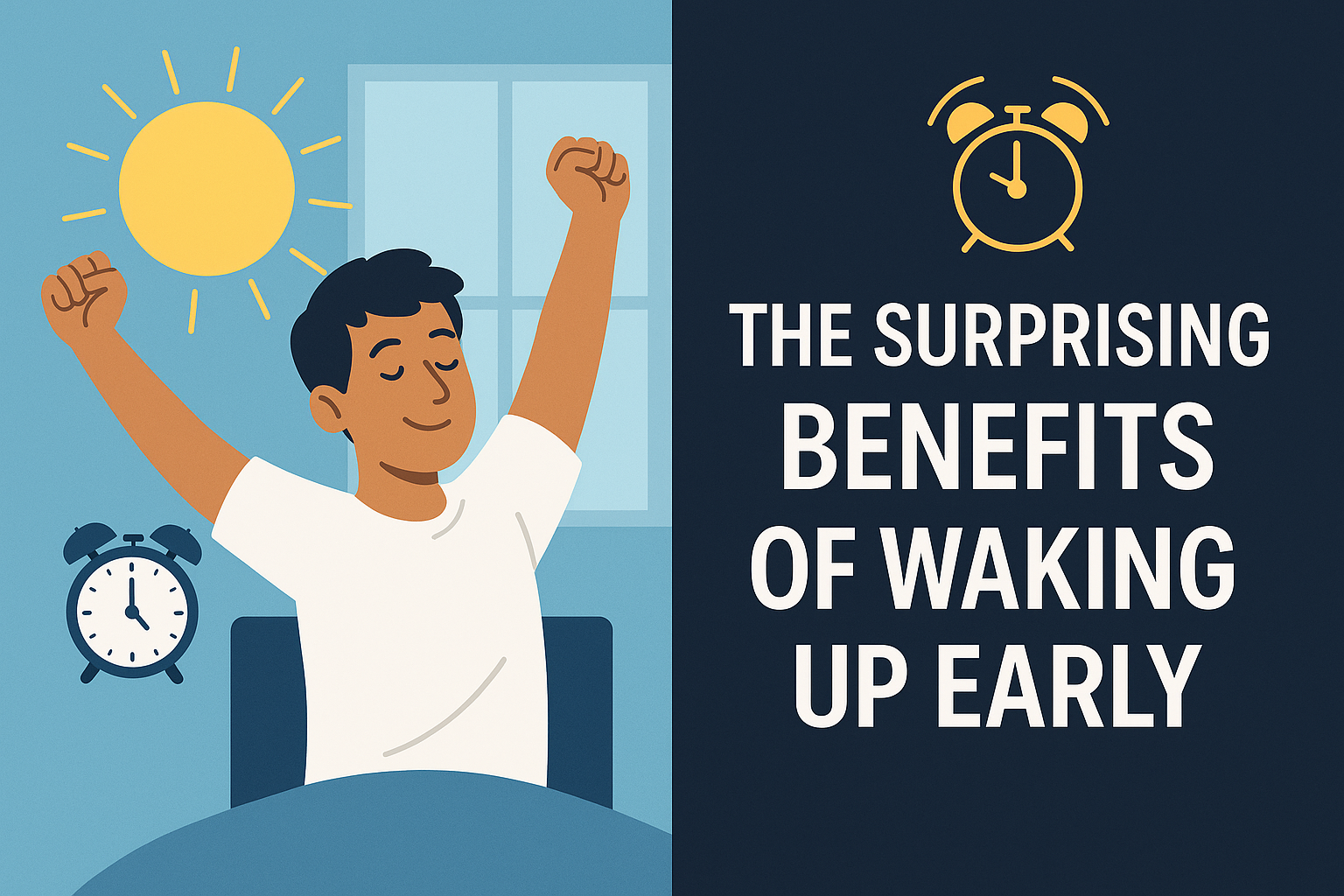
Have you ever noticed how some people seem to have a head start on the day, radiating positivity and productivity before most of us have even hit snooze? You might chalk it up to personality or superhuman willpower, but there’s often one simple secret: they’re early risers. Waking up early isn’t just for farmers and CEOs—it’s a habit that anyone can cultivate, and the rewards might surprise you. Ready to discover how shifting your wake-up time could transform your life? Let’s dive in.
The quiet hours of the early morning offer something truly special—a peaceful, uninterrupted stretch of time that’s yours alone. While the world is still wrapped in slumber, early risers have the unique opportunity to set the tone for the day ahead. Without distractions from buzzing phones, emails, or daily obligations, you can focus on activities that nourish both mind and body. Many early risers use this time to meditate, exercise, journal, or plan out their day, all of which can lead to increased clarity and purpose. The calmness of the morning not only helps reduce stress but also allows for more intentional decision-making, setting a positive trajectory that often carries through the rest of the day.
There’s also a biological advantage to being an early riser. Studies suggest that our cognitive function is often at its peak in the morning, making it an ideal time for tackling important tasks or creative pursuits. You might find that you’re more focused and productive, able to accomplish more in the first few hours than you might in an entire afternoon spent fighting fatigue. In addition, waking up earlier can lead to better sleep hygiene, as it encourages a more consistent sleep schedule and helps regulate your body’s natural circadian rhythm. Over time, this can improve your overall health, boost your mood, and even strengthen your immune system.
It’s important to note that becoming an early riser doesn’t mean sacrificing sleep. Instead, it’s about shifting your schedule to ensure you’re well-rested and ready for the day ahead. By embracing the habit of rising with the sun, you can unlock a host of benefits that reach far beyond simply gaining a few extra hours. Whether you’re seeking more productivity, a sense of calm, or a healthier lifestyle, the early morning holds the key to transforming your daily experience.Certainly! Please provide the section or topic you would like me to write a full paragraph about.Waking up early delivers a host of physical benefits that extend far beyond simply gaining extra hours in your day. For many, the morning is when our bodies and minds are most refreshed, making it an ideal time to engage in healthy routines that set a positive tone for the rest of the day. Those who rise with the sun often have ample time to incorporate physical activities such as stretching, yoga, or a brisk walk, which can jumpstart the metabolism and increase energy levels. Studies have shown that early risers are more likely to stick to regular exercise routines, as they are less likely to be interrupted by unexpected events or fatigue that often derail evening workouts. This consistency not only improves cardiovascular health and muscle strength but also supports better sleep patterns, which in turn enhances overall physical well-being.
Nutrition is another area where early birds gain a significant edge. By waking up early, individuals can enjoy a wholesome, unhurried breakfast, rather than rushing through or skipping the most important meal of the day. A balanced morning meal replenishes glucose levels, fuels brain function, and helps regulate appetite throughout the day, reducing the temptation to indulge in unhealthy snacks. Furthermore, those extra morning minutes can be used to hydrate properly and perhaps even meal-prep for the day ahead, setting the stage for healthier food choices.
Exposure to natural sunlight in the early hours has its own set of advantages. Morning sunlight helps regulate the body’s internal clock, or circadian rhythm, which controls sleep cycles, hormone release, and even mood regulation. Increased sunlight exposure boosts vitamin D production, supporting bone health and immune function. Additionally, the tranquil atmosphere of early mornings can lower stress hormones like cortisol, reducing inflammation in the body and promoting a sense of calm.
Collectively, these physical perks create a powerful ripple effect. Early risers often experience improved immunity, higher energy levels, and better weight management. The quiet, focused start to the day empowers individuals to make healthier decisions, build resilience, and maintain a proactive approach to their well-being. While it may take some initial adjustment, embracing the early hours can unlock a range of physical benefits that last well beyond sunrise.Let’s start with the basics: your body. Waking up early isn’t just a matter of willpower or discipline; it actually syncs with the natural rhythms that govern our biology. Our circadian rhythm, often referred to as our internal clock, regulates the sleep-wake cycle and responds to cues from the environment, most notably light. When you rise early, you’re aligning your schedule with these natural cues, which can make falling asleep at night and waking up in the morning feel more effortless and restorative. Exposure to morning sunlight helps regulate the production of melatonin, the hormone responsible for sleep, and boosts serotonin, which enhances mood and alertness. This early exposure to daylight doesn’t just improve sleep quality—it also supports a healthy immune system, optimizes metabolism, and even helps balance hormones.
Early risers often find that they experience fewer disruptions to their sleep and enjoy a more consistent sleep schedule. This regularity supports deeper, more restorative sleep cycles, which in turn can lead to increased energy throughout the day. Those who wake up early often report feeling more refreshed and alert in the morning, as opposed to groggy or sluggish. This heightened alertness is not just psychological; studies have shown that cognitive function, memory, and attention are all improved when sleep patterns are consistent and aligned with natural circadian rhythms. In addition, early risers are more likely to develop healthy morning routines, such as exercising, meditating, or preparing a nutritious breakfast—habits that can positively influence physical health and wellbeing.
The benefits extend beyond just physical wellness. Waking up early also supports mental and emotional health. A calm, unhurried start to the day allows you to set intentions, plan ahead, and manage stress before the day’s demands begin. This sense of control can lead to improved mood and reduced anxiety. All in all, adjusting your routine to wake up earlier isn’t just about squeezing more hours out of your day—it’s about working in harmony with your body’s natural processes to enhance your overall quality of life. By honoring your internal clock, you lay the foundation for better sleep, improved health, and a more energized, productive day.Establishing a routine of waking up early offers a multitude of benefits that extend far beyond simply having more hours in the day. One of the most significant advantages is the development of consistent sleep patterns. By going to bed and waking up at the same time every day, you help regulate your body’s internal clock – the circadian rhythm. This regularity signals your body when it’s time to wind down and when it’s time to get up, making it easier to fall asleep quickly at night and to rise feeling refreshed in the morning. Over time, maintaining a consistent sleep schedule can lead to improved sleep quality, higher energy levels, and enhanced mental clarity throughout the day.
Early mornings also provide a unique opportunity to incorporate physical activity into your daily routine. The quiet and calm of the early hours create the perfect environment for exercise, whether it’s a brisk walk in the neighborhood, a morning jog, or a gentle stretching session. Research supports the idea that individuals who exercise in the morning are more likely to stick to their workout regimens, as fewer distractions and obligations compete for their attention. Morning exercisers often experience enhanced mood, sharper focus, and better overall health. By making movement a priority at the start of your day, you not only boost your metabolism but also set a positive tone that can carry you through even the busiest schedules.
In addition to better sleep and more time for exercise, rising early can have a profound impact on your dietary choices. When you allow yourself the time to prepare and enjoy a wholesome breakfast, you’re less likely to skip this crucial meal or reach for unhealthy snacks later in the day. A nutritious breakfast replenishes energy stores, stabilizes blood sugar levels, and helps fend off cravings that can lead to overeating or poor food decisions. The discipline of waking up early often translates into mindful eating habits, as you’re more likely to plan your meals and make conscious choices about what you consume. Altogether, these habits foster a healthier lifestyle, laying the groundwork for improved physical and mental well-being.Certainly! Please provide the section or topic you would like the paragraph to be about.Starting your day with a morning workout delivers a remarkable mental boost that extends far beyond physical benefits. When you engage in physical activity first thing in the morning, your brain releases a surge of endorphins and neurotransmitters such as dopamine and serotonin. These chemicals not only elevate your mood but also provide a natural sense of clarity and alertness that can last for hours. As your body wakes up and your heart rate increases, blood flow to the brain improves, supplying it with the oxygen and nutrients needed for optimal mental performance. This physiological response translates into sharper focus, faster reaction times, and a heightened ability to concentrate on tasks throughout the day.
Morning exercise also helps to set a positive tone for your daily routine. By accomplishing a challenging activity early on, you foster a sense of achievement and self-discipline. This “win” creates momentum, making it easier to tackle other responsibilities with confidence and determination. Many people find that after a morning workout, they approach their work, studies, or creative projects with renewed motivation and a proactive mindset. The structured nature of a morning fitness routine can help establish healthy habits and provide a predictable anchor point in your day, reducing feelings of stress or overwhelm.
Furthermore, engaging in physical activity early in the day can help regulate your circadian rhythms, which play a crucial role in energy management and mental alertness. This synchronization can lead to more consistent energy levels and less midday fatigue or brain fog. Regular morning movement has even been linked to better problem-solving skills and improved memory retention, as exercise stimulates the growth of new neural connections in the brain.
Incorporating a morning workout into your lifestyle is a powerful way to prime your mind for success. It not only sharpens your cognitive abilities but also enhances your overall emotional resilience, helping you navigate challenges with a clear head and positive outlook. Whether it’s a brisk walk, yoga session, or high-intensity interval training, the mental benefits are undeniable—setting you up to make the most of every day.Ever feel like your mind is constantly racing, struggling to find clarity? Early mornings offer a rare slice of tranquility. In the stillness before the world awakens, there’s a gentle quiet that’s hard to find at any other time of day. The air feels fresh, untouched by the bustle and noise that will soon fill the hours ahead. It’s in these moments that your thoughts can finally settle, allowing you to tune into your own needs and intentions. With fewer distractions, you have the opportunity to reflect, plan, or simply take a few deep breaths and appreciate the present. This peaceful window creates space to process ideas, set goals, or enjoy activities that nurture your well-being, like journaling, meditating, or stretching.
The calm of early mornings isn’t just about silence; it’s also about the sense of possibility that comes with a new day. There’s a unique energy in watching the sunrise or hearing the first birds sing—a gentle reminder that each day is a fresh start. By carving out this time for yourself, you can establish a mindful routine that sets a positive tone for everything that follows. Whether you use these moments for creative work, thoughtful planning, or quiet contemplation, the clarity you gain can help you navigate the rest of your day with greater focus and ease.
Many people find that their minds are sharpest and most receptive in these early hours, unburdened by the stress and demands that accumulate as the day progresses. This makes the morning an ideal time to tackle important tasks or face challenges that require clear thinking. Even if you’re not naturally a morning person, experimenting with waking up just a bit earlier can reveal the benefits of this tranquil time. Over time, these peaceful mornings can become a cherished ritual—one that not only sharpens your mind but also nourishes your spirit, helping you face the day ahead with clarity, calm, and confidence.Waking up early offers a unique opportunity to enjoy uninterrupted “me time,” a precious commodity in our fast-paced world. In the quiet of the early morning, distractions are minimal—there are fewer emails, messages, or household noises competing for your attention. This rare silence gives you the space to engage in activities that nurture your mind and soul, such as reflection, meditation, or journaling. Whether you choose to sit quietly with your thoughts, write out your intentions for the day, or simply savor a cup of coffee while watching the sunrise, these moments can anchor you and set a calm, positive tone for the hours ahead. Establishing this personal time at the start of your day not only helps in reducing stress and anxiety but also fosters a deeper sense of self-awareness and emotional balance.
Alongside the emotional benefits, early mornings can be a powerhouse for productivity. Research consistently shows that our brains tend to be at their sharpest during the first few hours after waking. This cognitive peak means that complex tasks—those requiring focus, critical thinking, or problem-solving—are often completed more efficiently when tackled first thing in the morning. By prioritizing your most important projects before the usual demands of the day commence, you’re likely to finish them faster and with higher quality results. This surge in productivity can also free up more time later in the day for other pursuits, reducing the pressure and overwhelm that often accompany a jam-packed schedule.
Moreover, the tranquil atmosphere of early mornings provides fertile ground for creativity to flourish. Without the constant interruptions and noise that characterize busier parts of the day, your mind has the freedom to wander and explore new ideas. This unhurried environment is perfect for brainstorming, strategic planning, or finding innovative solutions to challenges. Many artists, writers, and entrepreneurs swear by the creative boost they experience in the early hours, crediting this quiet time for some of their best work. Ultimately, embracing early mornings is not just about getting a head start—it’s about carving out a space for clarity, productivity, and inspiration that can positively influence every aspect of your day.Certainly! Please provide the section or topic you would like a 300–400 word paragraph about.Adopting a healthy lifestyle goes far beyond the realm of physical appearance—it lays the groundwork for overall success in both personal and professional spheres. The choices we make each day, from our diet and exercise habits to our approach to stress management and sleep, collectively shape our energy, focus, and resilience. When we prioritize balanced nutrition, our bodies are fueled with the essential vitamins and minerals needed to think clearly and perform efficiently. Regular physical activity not only strengthens muscles and improves cardiovascular health but also releases endorphins, the body’s natural mood enhancers, which help us stay positive and motivated throughout the day.
Moreover, a healthy lifestyle fosters discipline and consistency, two traits that are invaluable in achieving long-term goals. When we commit to regular routines—such as exercising each morning or preparing wholesome meals—we reinforce our ability to stick to other commitments, whether they involve work projects or personal development. This sense of structure helps reduce procrastination and enhances productivity, making it easier to tackle challenges head-on.
Quality sleep, often an overlooked aspect of wellness, is another cornerstone of a successful life. Adequate rest allows our minds to process information, consolidate memories, and recover from daily stressors. Those who prioritize restful sleep tend to experience sharper cognitive function, improved mood, and greater emotional stability—all of which contribute to better decision-making and interpersonal relationships. Additionally, healthy stress management techniques like mindfulness, meditation, or even leisurely hobbies ensure that we remain adaptable and calm under pressure, further supporting our ability to excel in various aspects of life.
The ripple effect of these lifestyle choices extends into our social and professional environments. People who embody vitality and self-care naturally inspire those around them, creating a culture of wellness and positivity. This often translates into increased opportunities, as others are drawn to individuals who demonstrate reliability, enthusiasm, and a proactive mindset. Ultimately, making conscious choices to nurture our bodies and minds doesn’t just improve our health—it sets a powerful tone for success, enabling us to lead more fulfilling, purpose-driven lives and empowering us to reach our highest potential.Waking up early is more than simply a health trend or a productivity hack—it has the potential to profoundly transform your entire way of living. When you rise before the rest of the world, you grant yourself a rare window of uninterrupted time. This peaceful solitude can be used for self-reflection, planning your day, or pursuing activities that often get sidelined in the bustle of daily life. Early mornings cultivate a sense of calm and clarity, helping you to approach the day with intention rather than simply reacting to whatever comes your way. You’ll notice that, over time, this proactive start sets a positive tone, boosting your mood and enabling you to handle stress with greater resilience.
This shift in your daily rhythm can have ripple effects throughout your lifestyle. For example, early risers often develop healthier sleep patterns, as waking up early naturally encourages going to bed at a reasonable hour. This regular sleep schedule can improve your overall well-being, supporting everything from cognitive function to emotional balance. Additionally, with extra time in the morning, you may find it easier to incorporate beneficial habits such as exercise, meditation, or preparing a nutritious breakfast. These activities not only support your physical health but also reinforce a sense of discipline and self-care that can extend into all areas of your life.
Adopting an early morning routine can also open up opportunities for personal growth. The quiet hours before the day officially begins are ideal for setting goals, learning new skills, or indulging in creative pursuits that require deep focus. As you begin to see the benefits in your productivity, energy levels, and mental clarity, you’ll likely feel more motivated to continue refining your lifestyle. This momentum can lead to better time management and a greater sense of accomplishment, both at work and in your personal life. Ultimately, waking up early isn’t just about the hours you gain—it’s about the intentional choices you make with that time and the lasting improvements those choices can bring to your overall lifestyle.Waking up early offers a powerful advantage when it comes to effectively managing your time. By starting your day before the majority of people, you give yourself the freedom to plan your schedule with intention and clarity. The early hours are typically quieter and less demanding, allowing you to prioritize your most important tasks without the distractions and interruptions that often arise later in the day. This proactive approach means you’re able to tackle your to-do list with a clear mind, setting the tone for a productive day ahead. Instead of reacting to urgent matters as they arise, you’re in control of your agenda, which reduces stress and increases your sense of accomplishment. Over time, this habit helps you avoid that frantic feeling of always playing catch-up, empowering you to move through your day with purpose and confidence.
Consistently rising early also cultivates a stronger sense of discipline. The act of resisting the temptation to sleep in and choosing to greet the day with intention builds mental resilience and self-control. These qualities don’t just benefit your morning routine; they naturally extend into other aspects of your life. The discipline honed by maintaining this habit can enhance your performance at work, improve your ability to maintain healthy relationships, and make you more adept at overcoming challenges. It’s a foundational trait that underpins success in various endeavors, helping you to set and uphold standards for yourself.
Furthermore, early mornings provide a unique opportunity for personal growth. The peace and solitude found in these hours create an ideal environment for self-development activities that often get neglected amidst the busyness of daily life. Whether you choose to read, practice meditation, learn a new skill, exercise, or focus on a passion project, this uninterrupted time becomes a valuable investment in yourself. These moments are often the key to making progress on goals that matter deeply to you but are easily sidelined by other responsibilities. By consistently waking up early, you not only gain extra time but also the mental space and energy to pursue meaningful growth, ultimately leading to a more fulfilling and well-rounded life.Of course! Please provide the section or topic you would like me to write a paragraph about.Establishing a morning routine can be transformative, setting a positive tone for your entire day. To begin, it’s important to recognize that an effective morning routine doesn’t have to start at 5 a.m. or involve hours of activities. The key is consistency and intentionality. Start by identifying the non-negotiable tasks that energize and ground you—whether it’s drinking a glass of water, stretching, reading, or simply making your bed. These small habits signal to your mind that the day is starting, providing a sense of accomplishment right from the outset.
Plan your routine the night before. Laying out clothes, prepping breakfast, or jotting down your top priorities can reduce decision fatigue and streamline your morning. Aim to wake up at the same time each day, as a regular sleep schedule improves both mood and energy levels. Don’t underestimate the power of natural light; opening your curtains or stepping outside for a few minutes can help regulate your internal clock and boost alertness.
Incorporate mindful moments to center yourself. This could be a few minutes of meditation, deep breathing, or journaling. These practices can reduce stress and set a positive mindset for the day ahead. Physical movement, even if brief, is also beneficial. Whether it’s a full workout, yoga, or a brisk walk, moving your body releases endorphins and sharpens focus.
Limit technology use during your first waking moments. Reaching for your phone and scrolling through emails or social media can overwhelm you before the day even begins. Instead, reserve the first 20-30 minutes for yourself, focusing on activities that nourish your body and mind. As you refine your routine, be flexible. Life is unpredictable, and some mornings won’t go as planned. Adjust as needed and avoid self-criticism.
Finally, track your progress and reflect on what works best for you. You might find that certain activities have a stronger impact on your mood and productivity. Over time, your morning routine will become second nature—an anchor that helps you navigate daily challenges with greater resilience and clarity. Remember, the best morning routines are the ones tailored to your unique needs and lifestyle.Transitioning to early mornings doesn’t have to be painful. In fact, you can make the shift smoother and even enjoyable by taking intentional, manageable steps that support your body’s natural rhythm. Start by gradually adjusting your bedtime—aim to go to sleep 15 to 30 minutes earlier every few nights instead of making a drastic change overnight. This gentle approach helps your body clock reset without causing unnecessary fatigue. Equally important is creating a relaxing bedtime routine that signals to your brain that it’s time to wind down. Consider activities like reading, light stretching, or listening to calming music, and avoid screens at least 30 minutes before bed, since blue light can suppress melatonin production and disrupt your sleep cycle.
In the morning, expose yourself to natural light as soon as possible. Sunlight helps regulate your circadian rhythm, making it easier to wake up and feel alert. If sunlight isn’t available, especially in winter months, a light therapy lamp can be a useful substitute. Pair this exposure with a glass of water to rehydrate and kick-start your metabolism. To reinforce your new habit, plan something you look forward to in the morning—whether it’s savoring a favorite cup of coffee, enjoying a peaceful walk, or dedicating time to a hobby you love. These positive associations can transform early mornings from a dreaded chore into a rewarding experience.
Consistency is key, so try to stick to your new wake-up time even on weekends. This helps your body settle into a reliable sleep-wake pattern and makes getting up early feel more natural with each passing day. If you hit a rough patch—like a night of poor sleep—don’t be too hard on yourself. Progress isn’t always linear, and it’s normal to have setbacks. The goal is to be patient and persistent, making adjustments as needed and celebrating small wins along the way. With a compassionate mindset and practical strategies, transitioning to early mornings can quickly become a sustainable and empowering part of your routine.Changing your morning routine and becoming an early riser doesn’t have to be a sudden, jarring shift—it’s much more sustainable when you approach it with gradual, intentional steps. Begin by adjusting your wake-up time in small increments, such as 15 to 30 minutes earlier every few days. This gentle transition gives your body and mind time to adapt to the new schedule, reducing feelings of grogginess or resistance that can come with abrupt changes. As you progress toward your ideal wake-up time, you’ll find it easier to rise refreshed and ready to start your day.
Establishing a bedtime routine is equally important in setting yourself up for morning success. About 30 to 60 minutes before you plan to sleep, engage in calming activities that help signal to your brain that it’s time to wind down. This could be reading a book, practicing gentle stretches, or listening to soothing music. Avoid screens and stimulating content, as the blue light from devices can interfere with your body’s natural sleep signals. A comforting routine not only helps you fall asleep faster but also improves the quality of your rest, making those earlier mornings less daunting.
Preparation the night before can make your mornings flow effortlessly. Take a few minutes in the evening to lay out your clothes, prepare breakfast ingredients, or jot down your top priorities for the next day. These small acts of preparation can significantly reduce morning stress and decision fatigue, allowing you to start your day feeling organized and in control.
Embracing natural light is another powerful way to help your body wake up. As soon as you get up, open your curtains to let in sunlight, or step outside for a few minutes of fresh air. Exposure to natural light in the morning helps regulate your circadian rhythm, boosting your alertness and mood. This simple habit reinforces your body’s internal clock, making it easier to wake up at the same time each day.
Consistency is the final key. Try to stick to your new wake-up and bedtime—even on weekends. While it might be tempting to sleep in, maintaining a regular schedule helps solidify your new habit and keeps your body’s internal clock running smoothly. Over time, these strategies will help you embrace early mornings with more energy and positivity.Of course! Please provide the specific section or topic you would like me to write about.Navigating the landscape of digital transformation often involves confronting a range of challenges that can impede progress if not addressed proactively. One of the most prevalent hurdles organizations face is resistance to change among employees. Many team members may feel apprehensive about new technologies or altered workflows, fearing that these changes could threaten their roles or disrupt established routines. To overcome this, it is crucial to foster a culture of open communication and continuous learning. Leaders should engage employees early in the transformation process, clearly communicating the benefits and providing ample opportunities for training and upskilling. This not only builds confidence but also ensures that staff are equipped to make the most of new digital tools.
Another significant challenge lies in the integration of legacy systems with modern digital solutions. Many organizations rely on outdated infrastructure that may not be compatible with newer platforms, leading to inefficiencies and data silos. Addressing this requires a strategic approach that emphasizes phased implementation and careful planning. Businesses can conduct thorough assessments of existing systems to identify areas where integration is possible and prioritize upgrades where necessary. Collaborating with experienced technology partners can also help in developing custom solutions that bridge the gap between old and new systems.
Cybersecurity concerns also loom large as companies digitize their operations. The increased reliance on digital tools and cloud-based platforms can expose organizations to new vulnerabilities, making robust security protocols non-negotiable. Investing in advanced cybersecurity measures, conducting regular audits, and training staff on best practices can mitigate risks and safeguard sensitive data.
Budget constraints frequently pose another obstacle, particularly for small and medium-sized enterprises. It is important to approach digital transformation as a series of incremental investments rather than a single, large-scale overhaul. By prioritizing high-impact projects and leveraging scalable solutions such as cloud computing, organizations can spread costs over time and demonstrate quick wins that justify further investment.
Ultimately, overcoming these common challenges requires a combination of clear leadership, strategic planning, and a willingness to adapt. By anticipating potential roadblocks and implementing targeted solutions, organizations can navigate the complexities of digital transformation and unlock new opportunities for growth and innovation.Let’s be real—there will be tough mornings. No matter how motivated or organized you are, some days it’s hard to get out of bed, let alone tackle your to-do list with energy and focus. The key is not to beat yourself up about it but to have a few strategies in place to help you push through those challenging starts. First, acknowledge your feelings. It’s completely normal to feel sluggish or unmotivated some mornings, especially after a restless night or when facing a packed schedule. Instead of trying to ignore these feelings, take a moment to check in with yourself—what’s making you feel this way? Sometimes, just naming the emotion can help diffuse its power over you.
Next, try breaking your morning into small, manageable steps. When the idea of taking on the whole day feels overwhelming, focus on the next five minutes. Can you get yourself to sit up in bed? Pour a glass of water? Open the curtains? Celebrate accomplishing even the smallest tasks, because momentum builds from tiny wins. Another helpful tactic is to have a morning ritual that you genuinely enjoy and look forward to. Whether it’s a favorite playlist, a few pages from an inspiring book, or a cozy cup of tea, these rituals can act as anchors that make mornings feel a little less daunting.
Physical movement is another powerful tool. You don’t need to commit to a full workout—just a few stretches, a short walk, or even dancing to a song you love can signal to your brain that it’s time to wake up and get moving. If you’re still struggling, consider reaching out to someone—a quick text to a friend or a brief chat with a family member can provide a boost of encouragement and accountability.
Lastly, practice self-compassion. Not every morning will be perfect, and that’s okay. Give yourself permission to have an off day and remember that consistency over time matters more than any single morning. By approaching tough mornings with kindness, practical tools, and realistic expectations, you’ll find it easier to push through and start your day on a positive note, even when it feels tough.Struggling to fall asleep is a common challenge, especially when you’re trying to adjust your routine and wake up earlier than usual. One of the biggest culprits is screen time before bed—phones, tablets, and TVs emit blue light that can disrupt your body’s natural production of melatonin, the hormone that signals it’s time to rest. To give yourself the best chance at a restful night, try to avoid screens at least an hour before you plan to sleep. Instead, consider adopting relaxation techniques to help your mind and body wind down. Deep breathing exercises can slow your heart rate and calm your nervous system, making it easier to drift off. Meditation, even just for a few minutes, can help quiet racing thoughts and signal to your body that it’s time to rest.
If you wake up feeling groggy, you’re not alone. That heavy, sluggish feeling is called sleep inertia, and it’s your body’s way of adjusting from sleep to wakefulness. Fortunately, there are simple strategies to help you shake it off. Start by hydrating—drinking a glass of water can help kickstart your metabolism and rehydrate your body after hours without fluids. Next, gentle stretching can increase circulation and help loosen any stiffness from sleep. Finally, exposing yourself to natural sunlight—by stepping outside or opening your curtains—can help reset your internal clock and boost your alertness. Sunlight signals to your brain that it’s time to be awake, making it easier to adjust to an earlier start.
Motivation can dip, especially in the early days of forming a new habit like waking up earlier. When you feel your resolve slipping, take a moment to remind yourself why you started. Is it to carve out more “me time” before a busy day? Are you aiming for a healthier lifestyle that prioritizes restful sleep and calm mornings? Or do you simply want to start each day with greater intention and less rush? Keeping your personal motivations front and center can make it easier to stick to your new routine, even when it feels difficult. Remember, every morning is a fresh opportunity to move closer to your goals and create the kind of life you want to lead.Certainly! Please provide the section or topic you’d like me to write a full paragraph about.Imagine starting your day with a sense of purpose and energy that propels you forward, rather than dragging yourself out of bed and stumbling into your routine. That’s the transformative power of a well-crafted morning ritual—it’s not just about waking up early, but about awakening your mind, body, and spirit to the possibilities ahead. When you intentionally shape your mornings, you harness a superpower that can redefine the course of your entire day.
Morning routines are more than just a trendy self-help suggestion; they’re rooted in science and the lived experiences of high performers across the world. Studies show that early risers are often more proactive, experience less stress, and report greater satisfaction with life. This isn’t magic—it’s momentum. By dedicating even a small window of time each morning to practices that energize and center you, like meditation, gentle movement, journaling, or reading, you signal to your brain that you are in control. This sets a positive tone and primes you to handle challenges with resilience and creativity.
Consider the ripple effect: a calm, focused start helps you make better decisions, enhances your productivity, and boosts your mood. Instead of reacting to the demands of the day, you’re responding with intention. This sense of agency—knowing you steer your own ship—can be incredibly empowering. As you consistently show up for yourself each morning, you build self-trust and discipline that extend far beyond the early hours. Over time, what begins as a series of small actions snowballs into a profound shift in your outlook and achievements.
It’s easy to think you’re not a “morning person,” but the truth is, anyone can cultivate a morning routine that works for them. It doesn’t have to be elaborate; even a few mindful minutes can make a noticeable difference. The key is consistency and choosing activities that genuinely nourish you. By embracing your mornings, you’re not just ticking off another task—you’re investing in the best version of yourself. And that is a superpower worth celebrating, every single day.Imagine what your days could look like if you gifted yourself a true head start every morning. Waking up early isn’t just a challenge in willpower or a way to squeeze more tasks into your schedule. It’s a deliberate act of self-care, a choice to claim those precious, uninterrupted moments before the rest of the world stirs. Those early hours are yours alone—a quiet space where you can set your intentions, move at your own pace, and ease into the day with a sense of awareness and purpose. The idea isn’t to fill every minute with productivity or to force yourself into a rigid routine, but rather to create an environment where you can nurture your mind and body.
In the beginning, waking up before sunrise might feel like an uphill battle. The temptation to hit snooze is real, especially when your bed feels warm and the world outside is still dark and silent. But stick with it, because the benefits of early rising reveal themselves gradually. As you develop this habit, you may notice subtle but powerful changes: your thoughts become clearer, your mood more stable, and your ability to focus sharpens. By giving yourself time to breathe, reflect, or simply enjoy a peaceful cup of coffee, you set a positive tone for the hours ahead.
Moreover, early mornings are linked to tangible improvements in well-being. Research shows that early risers often experience better sleep quality, lower stress levels, and a greater sense of control over their days. Without the rush and chaos that often comes with waking up at the last minute, you’re able to prioritize your health—whether that means fitting in a morning walk, preparing a wholesome breakfast, or meditating. This calm, intentional start creates a ripple effect, making you more resilient and adaptable as challenges arise throughout the day.
Ultimately, waking up early is less about discipline and more about self-respect. It’s about recognizing your own needs and carving out time to meet them, even when life feels hectic. With each early morning, you’re investing in your well-being, building habits that foster clarity, energy, and a deep sense of calm control. The path isn’t always easy, but the rewards—a healthier body, a sharper mind, and a more grounded spirit—are infinitely worthwhile.So, why not give it a try? Set your alarm a little earlier tomorrow, and see how it feels. Your best self might just be waiting on the other side of sunrise. There’s something quietly empowering about being awake while the rest of the world is still wrapped in sleep. The early hours offer a unique kind of solitude—a gentle hush that makes space for reflection, creativity, or simply a few moments of peace before the rush of the day begins. You may find that your mind is clearer and your thoughts are more focused, unencumbered by the usual distractions that fill up the rest of your day.
Waking up early isn’t about adding more hours of hustle to your schedule; it’s about carving out intentional time for yourself. Imagine sipping your coffee or tea while the sky gradually begins to lighten, or taking a brisk walk as the world slowly comes alive. These quiet rituals can set a positive tone for your entire day. Perhaps you’ll use the extra time to read, journal, meditate, or plan your goals. Even a brief period of stillness can help you approach your responsibilities with a renewed sense of calm and purpose.
Of course, adjusting to a new routine may feel challenging at first. You may be tempted to hit the snooze button or question whether those extra minutes of sleep are worth giving up. But if you stick with it, you’ll likely notice subtle but meaningful shifts in your mood, productivity, and overall well-being. Early risers often report feeling more accomplished and less rushed, simply because they’ve given themselves a head start. Even if you don’t become a morning person overnight, the act of trying something new and stepping out of your comfort zone can be rewarding in itself.
Ultimately, the beauty of the early morning lies not just in the extra time, but in the sense of possibility it brings. By choosing to greet the day with intention, you’re making a conscious decision to prioritize yourself and your well-being. So tonight, set your alarm a bit earlier, and give yourself the gift of a fresh start. You might just find that the best version of yourself is waiting to greet you with the dawn.